New Delhi, November 10, 2026: At least 405 incidents of hate crime and hate speech targeting religious minorities were documented across India during the first nine months of 2026, according to two reports released by the Association for Protection of Civil Rights (APCR) on Tuesday. The findings paint a disturbing picture of targeted violence, alleged state complicity and the growing presence of inflammatory rhetoric in mainstream political discourse.
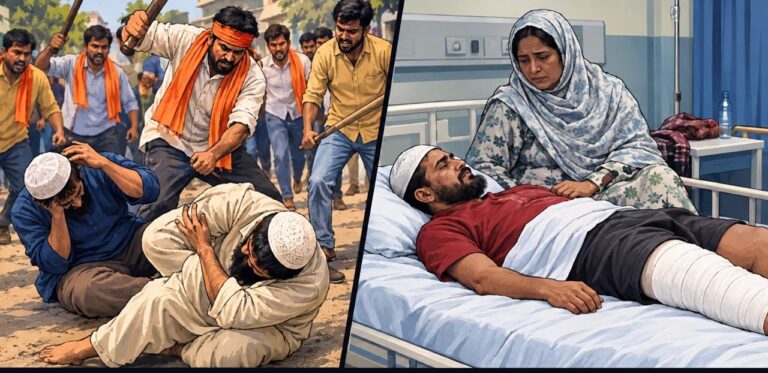
The reports, compiled through APCR’s Hate Crime Tracker and Hate Speech Tracker, documented 322 hate crimes against Muslims and Christians across 24 states and union territories between January 1 and September 30, resulting in 54 deaths. During the same period, researchers recorded 83 instances of hate speech involving 57 speakers across at least 16 states.
Of particular concern was the alleged involvement of state authorities in incidents of violence against minorities. According to the Hate Crime Tracker, state actors were implicated in 119 incidents, accounting for approximately 37 per cent of the total cases documented. Of the 54 deaths recorded, 21 were attributed to actions involving state authorities.
These included 12 deaths in alleged police encounters and nine deaths in custody or prison. Among the cases highlighted were the deaths of brothers Zeeshan and Gulfam in Ghaziabad in March and that of 70-year-old Zaheer Shaikh in Ahmedabad.
The findings also raised questions about the conduct of elected representatives and public officials. According to the Hate Speech Tracker, 33 of the 83 recorded speeches were delivered by individuals holding public office. The report named Prime Minister Narendra Modi, Union Home Minister Amit Shah and four chief ministers among the political figures whose speeches were documented.
The tracker included a speech delivered by Modi in Kolkata on March 14. These classifications represent APCR’s assessment of the speeches and do not, by themselves, establish criminal liability.
The report further found that 37 speeches contained calls for violence or appeals for Hindus to arm themselves. Despite the severity of the rhetoric documented, APCR recorded an arrest in connection with only one hate speech incident during the nine-month period.
Researchers also identified a relatively small group of repeat speakers. Approximately 12 individuals were responsible for nearly 50 speeches and video clips documented by the tracker, with seven of them holding public office. The concentration of such rhetoric among recurring speakers raised concerns about the normalisation of hostility towards religious minorities and the limited consequences faced by those accused of promoting it.
From Isolated Violence to a Method of Political Mobilisation
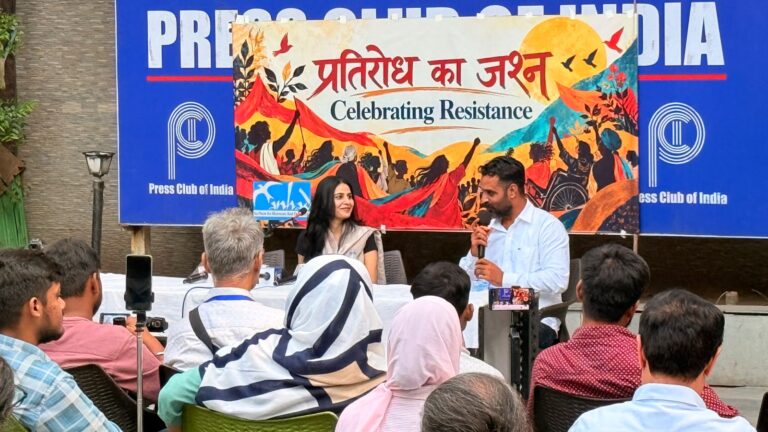
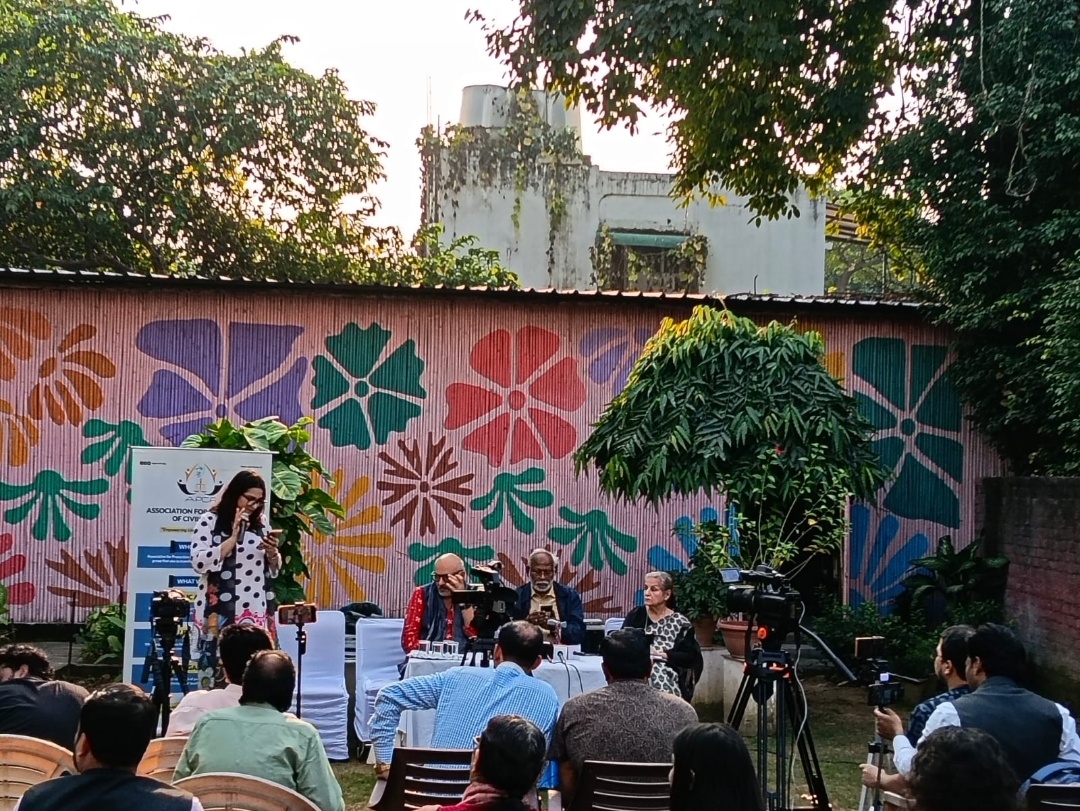
Speaking at the release of the reports in New Delhi, researchers, journalists and civil rights activists argued that hate crimes could no longer be understood solely as isolated acts of communal hostility. They drew attention to the political and institutional conditions in which such incidents occur and the consequences of failing to hold perpetrators accountable.
Moderating the discussion, Fawaz Shaheen examined what he described as a transformation in the character of hate crimes in India. He argued that targeted violence, previously understood largely through organised or structural forms of communal aggression, had increasingly become part of routine political mobilisation.
Shaheen’s observations pointed towards a broader concern that violence against minorities was becoming embedded in political discourse, with public hostility and intimidation contributing to an atmosphere in which such incidents could recur.
Aqsa Sayed, who addressed the role of state institutions, drew attention to the ways in which official inaction could enable violence. She observed that authorities sometimes failed to register First Information Reports against alleged perpetrators, while in other instances officials remained present during attacks without intervening.
Her intervention raised an important distinction between institutional failure and active complicity. Where authorities possess the power and responsibility to prevent violence but fail to act, she argued, their conduct warrants scrutiny beyond the actions of the immediate perpetrators.
The report’s finding that state actors were implicated in more than a third of documented hate crime incidents gave particular significance to these concerns. It also raised questions about the effectiveness of existing mechanisms intended to protect vulnerable communities and ensure impartial law enforcement.
Hate Speech and the Threat of Violence
Veteran civil rights activist John Dayal warned against treating inflammatory public statements as harmless expressions of opinion, arguing that hate speech could have consequences extending far beyond the immediate audience.
“Hate speech is not simply a normal conversation between friends,” Dayal said, emphasising its potential to encourage violence against targeted communities.
He argued that speech leading to targeted violence should be recognised as a grave offence against humanity, drawing attention to the relationship between public incitement, organised hostility and attacks on vulnerable groups.
His remarks came against the backdrop of the tracker documenting 37 speeches containing calls for violence or appeals for Hindus to arm themselves. The findings suggested that the problem extended beyond offensive language to rhetoric that APCR assessed as encouraging potentially violent action.
The presence of elected representatives among those named in the report also raised questions about the responsibility of public officials to uphold constitutional protections and prevent the spread of communal hostility.
Christians Targeted Over Allegations of Religious Conversion. Although Muslims accounted for the overwhelming majority of hate crimes documented by APCR, the report also recorded 15 incidents involving Christians, nearly all connected to allegations of religious conversion.
One incident highlighted in the report involved an attack on a prayer meeting attended by more than 25 people in Sukma district of Chhattisgarh. The case illustrated the vulnerability of religious gatherings to intimidation and violence arising from accusations of conversion.
The findings raised concerns about the use of religious conversion allegations to justify attacks on Christian communities, particularly in regions where such accusations have become a recurring source of communal tension.
Remembering Victims and Demanding Accountability
Journalist Nidheesh Tyagi stressed the importance of preserving the identities and experiences of victims, warning that public discussion of hate crimes often became confined to statistics while the human consequences received insufficient attention.
“The state is either complicit in these crimes or incompetent in handling them,” Tyagi said, questioning the ability and willingness of institutions to prevent violence and ensure justice.
He also placed responsibility on the country’s political leadership, arguing that the Prime Minister possessed the authority to intervene against the climate of hostility.
“The Prime Minister is the in-charge of the nation,” Tyagi said, adding that if he wanted, he could have stopped these crimes.
His remarks reflected a recurring concern during the discussion that accountability must extend beyond individuals directly involved in acts of violence to include public institutions responsible for maintaining law and order.
Syeda Hameed, meanwhile, raised concerns about the intimidation and harassment faced by researchers, activists and others documenting hate crimes. Her intervention highlighted the difficulties confronting civil society organisations attempting to collect evidence, preserve testimonies and draw public attention to violations of constitutional rights.
The safety of those documenting such incidents, speakers argued, remained essential to ensuring that victims’ experiences were recorded and that allegations of violence could be subjected to independent scrutiny.
Questions Over Constitutional Protections
The release of the two reports comes amid continuing concerns about the enforcement of legal safeguards against communal violence and hate speech. The Supreme Court has previously directed authorities to act against hate speech, including through the registration of cases where legally warranted, without waiting for formal complaints.
APCR’s findings raise questions about the implementation of these directions, particularly given the limited arrests documented in connection with the speeches identified by its researchers.
The reports also draw attention to the wider constitutional obligations of state institutions to ensure equality before the law, protect freedom of religion and safeguard citizens from discrimination and targeted violence.
By documenting individual incidents alongside patterns of political rhetoric and alleged institutional involvement, APCR has sought to establish a public record that could inform legal action, independent investigation and public debate.
The organisation’s findings are based on incidents captured by its monitoring mechanisms and should not be treated as an exhaustive count of all hate crimes or hate speech incidents across India. The allegations against public officials and authorities would require examination of the underlying evidence and responses from those concerned.
Nevertheless, the scale of incidents documented over nine months, particularly the 54 deaths, the alleged involvement of state actors in 119 cases and the repeated appearance of public officials in the Hate Speech Tracker, raises serious questions about accountability and the protection of religious minorities.
For the researchers and civil rights advocates gathered at the release, the challenge extends beyond recording the numbers. It concerns whether institutions entrusted with protecting constitutional rights can be held accountable when members of vulnerable communities face violence, intimidation and discrimination.