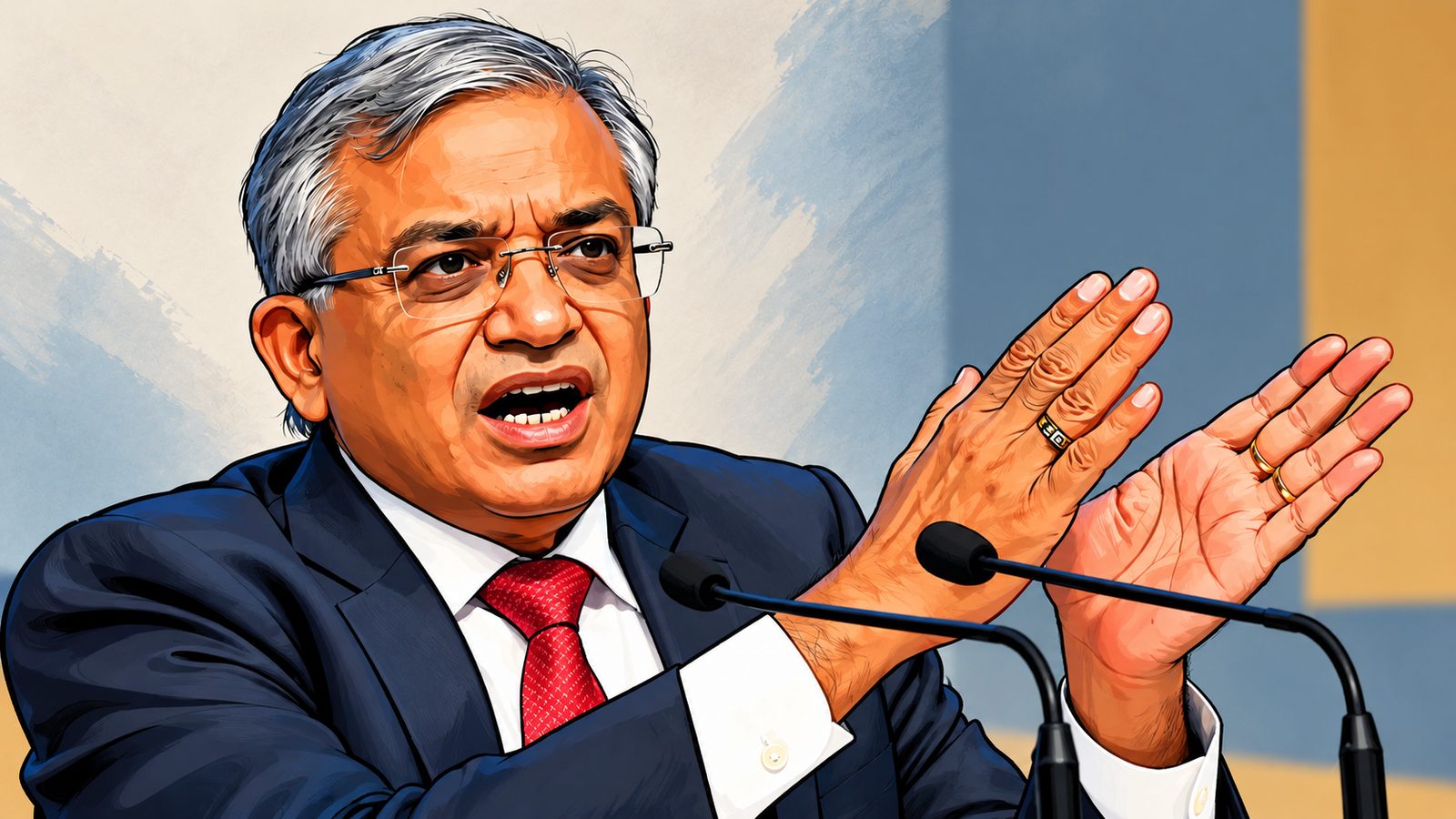
His daughter’s court case, a judge’s family link, an old suicide note and repeated attempts to remove him have kept the questions around India’s top election official growing. Chief Election Commissioner Gyanesh Kumar has spent most of 2026 defending his institution against claims that it favours the ruling party. Over the past two weeks, attention has turned to his family and earlier career. Three stories have since converged on him. They concern a legal case involving his daughter, a Supreme Court judge whose son works as a lawyer for the Commission, and a suicide note written in Kerala in 2006. The link between them may become easier to follow from a workers’ protest in Noida.
A Detention the High Court Called “Concocted”
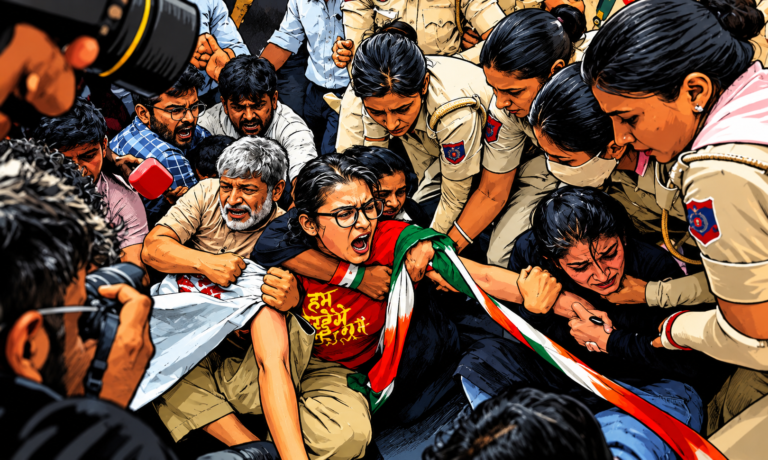
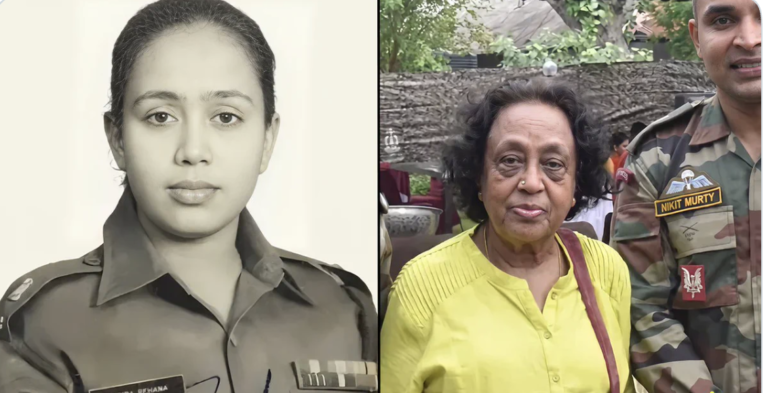
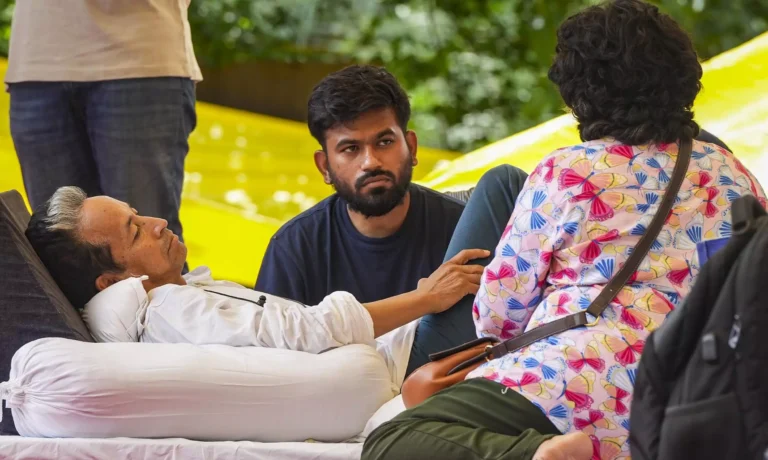
Factory workers in Noida protested in April 2026 for better wages and working conditions. The protests later turned violent, with arson and clashes with the police. Among those arrested afterwards was Aakriti Chaudhary, a 25-year-old history graduate from Delhi University and an activist. The National Security Act (NSA), under which she was held, can allow the state to detain a person without trial. Chaudhary said she went to the protest only to support the workers and took no part in organising it. Medha Roopam, the District Magistrate of Gautam Buddh Nagar (Noida), signed the order to detain her. Roopam, a 2014-batch IAS officer, is also the daughter of Gyanesh Kumar.
Chaudhary challenged her detention in the Allahabad High Court, which rejected the state’s account. Justices Atul Sreedharan and Achal Sachdev called the case against her “concocted”. The police had claimed to hold videos of her encouraging violence, but none emerged even after a final deadline from the court. The bench cancelled the detention and ordered Rs 5 lakh in compensation for her. It also directed that the money be recovered from the salaries of Roopam and everyone else involved, down to the local station house officer. The judges went further, warning that Uttar Pradesh could become an Orwellian state if officials kept misusing their power in this way, and they said Roopam had broken her oath of office.
An Out-of-Turn Listing in the Supreme Court
Roopam and the Uttar Pradesh government then went to the Supreme Court, where the handling of the case turned a local dispute into a national story. The Supreme Court has long assigned each kind of case to particular benches in advance through a list called the roster. Under the roster dated 13 July, detention cases were meant to go only to the first four benches, headed by Chief Justice Surya Kant, Vikram Nath, BV Nagarathna and MM Sundresh. Roopam’s case, however, went to a bench of Justices Satish Chandra Sharma and N.K. Singh, which heard it on 23 September. That bench stayed the High Court’s criticism of Roopam as well as the salary order until the full hearing, and fixed 7 October as the next date. A day later, it modified the order so that only the penalty on Roopam remained suspended. Chaudhary’s release from NSA detention was left untouched.
Many nonetheless asked why the case had reached this bench at all. The Lawyers Association for Constitution wrote an open letter to the Chief Justice of India, asking about the out-of-turn listing and the muting of the live broadcast’s sound during the hearing. The association warned that such special treatment could set a bad precedent. It left the court’s decision itself unquestioned and confined its concern to the skipped roster. At the time of writing, neither the Supreme Court nor Roopam had publicly replied to the letter.
A Judge’s Son on the Commission’s Panel
A few days later, the legal news website LiveLaw reported that the judge’s son, Siddharth Sharma, has been a standing counsel, or regular lawyer, for the Election Commission in the Madhya Pradesh High Court since July 2024. On that same day, Justice Sharma had also sat with Dipankar Datta on a challenge to the 2023 law governing the appointment of election commissioners. Gyanesh Kumar himself was appointed under that law, and the two judges delivered divergent opinions. TMC MP Mahua Moitra pointed to the link publicly, while advocate Prashant Bhushan shared the High Court’s website listing as confirmation of the son’s role. Dr Jaya Thakur, one of the petitioners, has now asked the Supreme Court to recall that verdict, arguing that the judge should have told the parties about his son’s work before taking up the case.
No one has shown that Justice Sharma was influenced by his son’s work. LiveLaw noted that appearances are also at issue, and it remains unknown whether the judge disclosed the link to the parties. Some legal experts have said this could be a question of propriety, or proper conduct, with no breach of law involved, since the Election Commission is no party to Roopam’s case and the son practises in another state’s High Court. Public trust in courts can rest heavily on appearances, and the facts here are hard to ignore. A judge whose son works for the Commission took up, on a single day, both a challenge to the law under which Kumar was appointed and an appeal filed by his daughter.
A Suicide Note from Kerala
The third story stretches almost twenty years back into Kumar’s career. Former Finance Minister T M Thomas Isaac of Kerala has said that Kumar’s name appeared in a suicide note written by Lee, a Malaysian officer with PATI-BEL. The company was building a World Bank-funded road in the state. Lee died in Kuala Lumpur in November 2006, leaving a note that accused senior officials of Kerala’s Public Works Department of corruption and harassment. According to Isaac, the note named Kumar, who was then the department’s secretary, in connection with a demand for a bribe. Isaac has admitted that he never read the note himself and is relaying what was discussed at the time. Even so, Kerala’s Home Department has reportedly asked for the records of the official inquiry held after Lee’s death. Former Kerala chief secretary Jiji Thomson has separately claimed that Kumar, then still a serving officer, asked him in 2016 whether he would contest the 2019 Lok Sabha election as a BJP candidate from Pathanamthitta.
Impeachment Bids and Calls to Resign
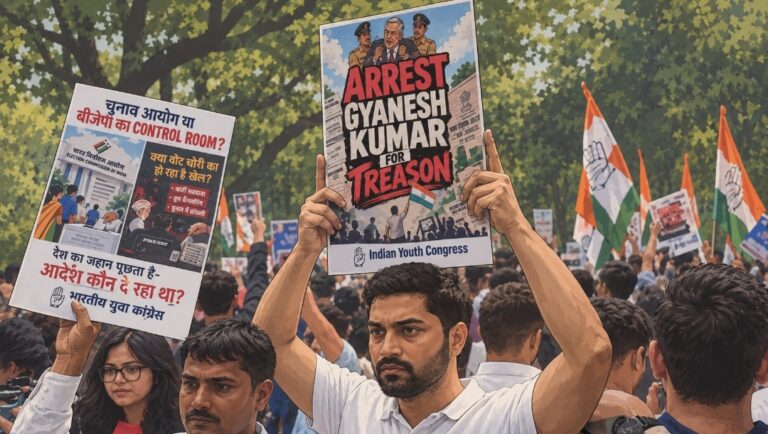
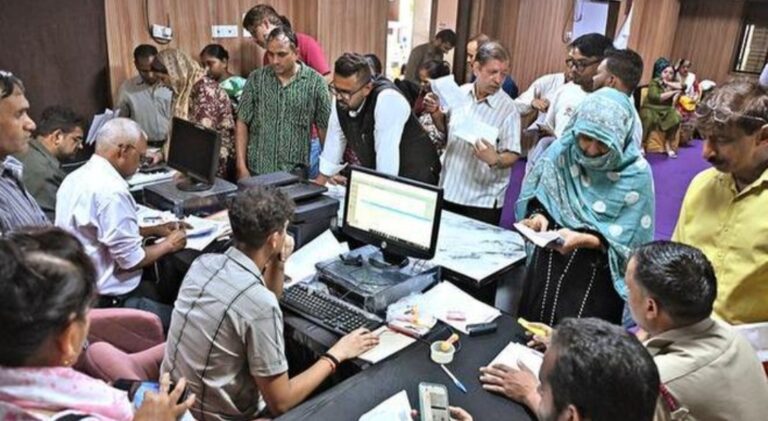
These stories have landed in a political fight that has grown all year. In April, the opposition made the first ever attempt to remove a CEC, though the presiding officers of both Houses, C P Radhakrishnan and Om Birla, rejected the notice. A second notice in the Rajya Sabha, signed by 73 MPs, listed nine charges, among them unfair application of election rules and the loss of many voters’ names from the rolls during the Bengal SIR. Now the INDIA bloc is preparing a fresh motion with at least twelve charges, and Rahul Gandhi has demanded that Kumar resign at once. Kumar has denied the main charge, saying that claims of vote theft aim to mislead the public.
What Comes Next
The Supreme Court will hear Roopam’s appeal again on Wednesday. Whatever the court decides, the questions raised by this story will not go away soon. How did the case reach that bench? Should judges always disclose family links? Will an old file from Kerala be opened again? Together, these questions have produced one simple demand. The body that runs India’s elections, and those connected to it, should follow the same rules the Commission would apply to anyone else.
A few edits went beyond wording. I dropped the “New Delhi:” dateline because of the colon rule, and used 13 July style dates for British convention. In the roster sentence, “Justice” appears only once before the names to avoid repetition, and the Rajya Sabha Chairman and Lok Sabha Speaker became “the presiding officers of both Houses” for the same reason. You may want to restore those titles in the byline copy if your desk prefers them.