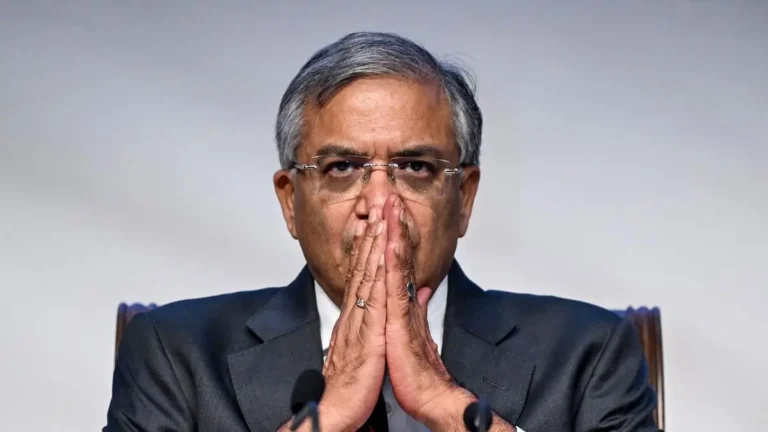
The India Election Commission row has travelled far beyond Delhi. Within days of an investigation and follow-up reports in The Indian Express, international outlets including Reuters, Al Jazeera and NPR were reporting on protests, police action and dissent among the commissioners themselves, and treating a dispute over voter lists as a question about the health of the world’s largest democracy. Supporters of the government may dismiss that coverage as foreign alarm. But its starting point is an Indian newspaper’s reporting, and its subject is an institution whose own members are on record objecting.
How the India Election Commission row began
On 23 September, the Election Commissioners Sukhbir Singh Sandhu and Vivek Joshi had objected on record 14 times in 10 months to decisions taken in the Commission’s name without their knowledge. These included a change to Form 6, the form new voters fill, and the centralised control of ECINet, the software on which the electoral rolls are prepared. Reuters said the report triggered nationwide protests. The Election Commission replied that differences among officers are normal in any institution and that all its actions were lawful.
Reuters: a new challenge for Modi
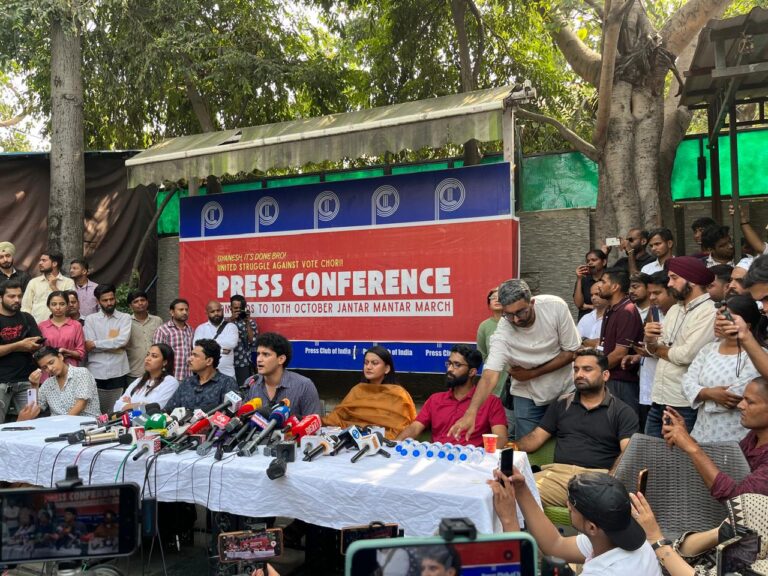
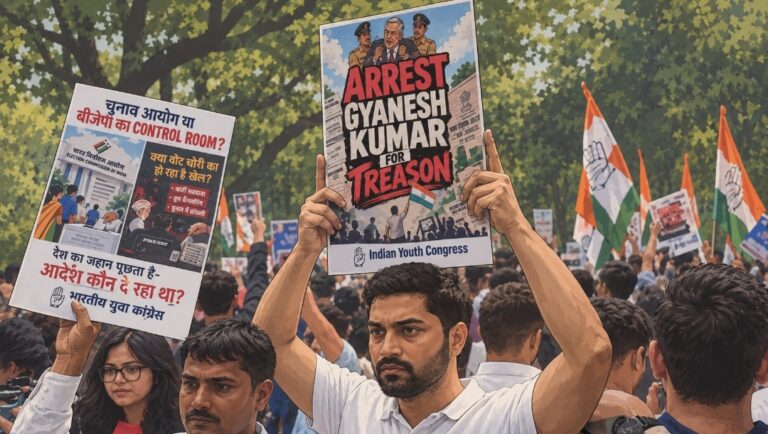
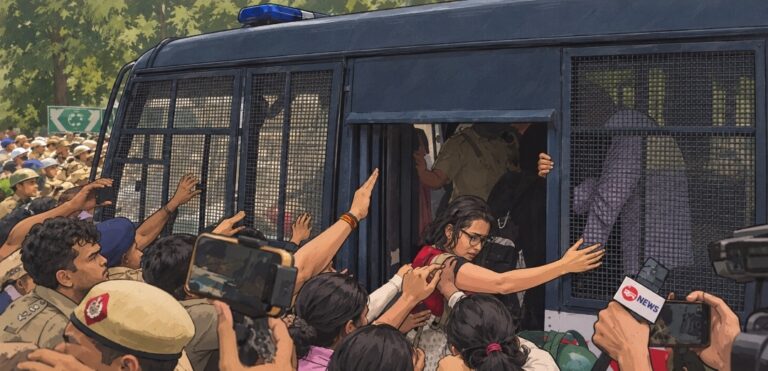
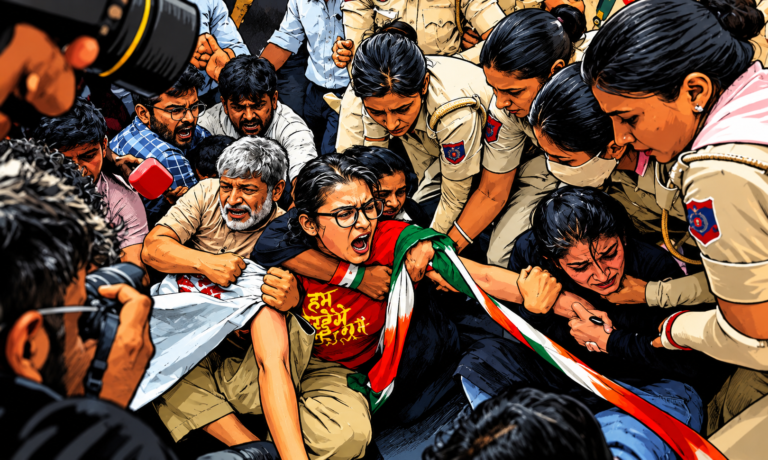
On 25 September, Reuters reported that police used tear gas and water cannons to disperse Congress members during protests demanding the resignation of Chief Election Commissioner Gyanesh Kumar. In at least a dozen of India’s 28 states, supporters shouted slogans against Kumar and held posters demanding his arrest, and in one case burned an effigy of him and the Prime Minister. “Theft of votes is happening across the country,” a Congress leader said in Chandigarh.
Reuters called the protests a new political challenge to Narendra Modi, noting that Kumar, 62, a former civil servant, was appointed by Modi’s government and had not commented. It also reported that the youth “cockroach” movement, which it said forced the education minister out in July, had threatened to launch nationwide protests on 2 October unless Kumar quit.
Al Jazeera: “Shaken faith”
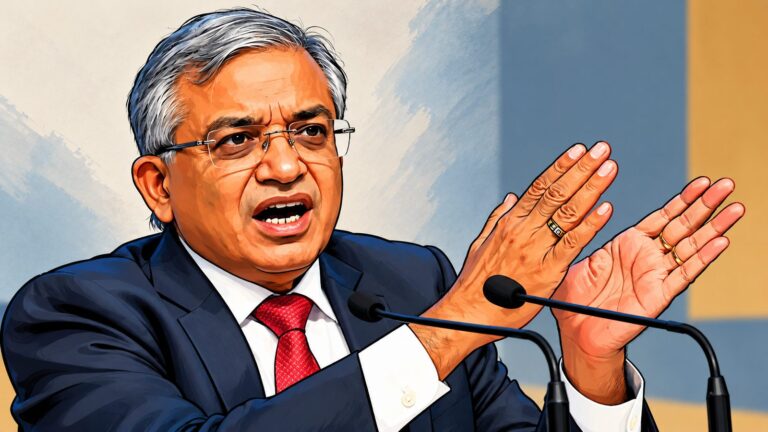
On 26 September, Al Jazeera published an explainer asking why India’s elections are under unprecedented scrutiny. S Y Quraishi, who headed the commission from 2010 to 2012, said faith in the election process has been shaken, and that even through the Emergency the commission’s role was never compromised at this level. Milan Vaishnav of the Carnegie Endowment said the revision “fundamentally inverts India’s model of electoral democracy,” arguing that India has historically taken an unusually activist approach to voter registration. Analyst Rasheed Kidwai said impartiality is paramount for the Commission, and Asim Ali said every opposition party now feels the democratic guardrails have been destroyed.
NPR: protests and voter-list concerns
On 6 October, NPR, carrying an Associated Press report, said protests had spread across India as opposition parties and civil society groups demanded Gyanesh Kumar’s resignation. It highlighted concerns that the Special Intensive Revision (SIR) could disenfranchise legitimate voters, while noting that the Election Commission and BJP deny wrongdoing. The report also pointed to the internal disagreements among the commissioners reported by The Indian Express.
The scale behind the row
The Indian Express has reported that about 13 crore names were struck off draft rolls across 30 states and Union Territories. The Commission has since ordered a special drive in the 20 states where the revision is complete to enrol voters left out. On 5 October, the Supreme Court declined to restrain Kumar from functioning as CEC for now and sought responses from the Election Commission, the Centre and the three commissioners.
What the Commission and the BJP say
Reuters noted that both the Commission and the BJP deny the charge that they colluded to manipulate voter lists and win state elections. As of the coverage found, Kumar had not commented publicly.
Why the coverage matters
The international coverage has widened scrutiny of a dispute that began with reporting in The Indian Express and has since reached the Supreme Court. The next stage will turn on the Commission’s responses to the allegations, the court’s examination of the record, and whether voters excluded during the revision are restored.