The controversy surrounding the Election Commission’s Special Intensive Revision of electoral rolls has moved beyond a dispute over voter verification. It is increasingly becoming a larger argument about who controls India’s electoral machinery, how decisions are taken inside the Election Commission, and what mechanisms exist to hold its leadership accountable.
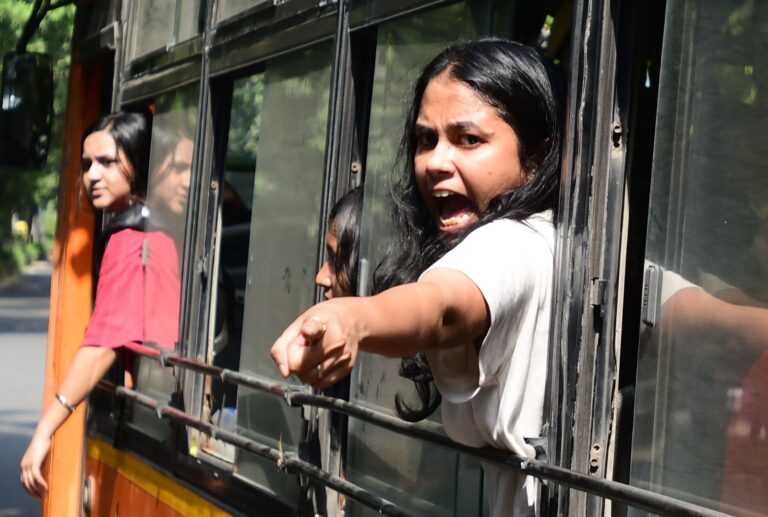
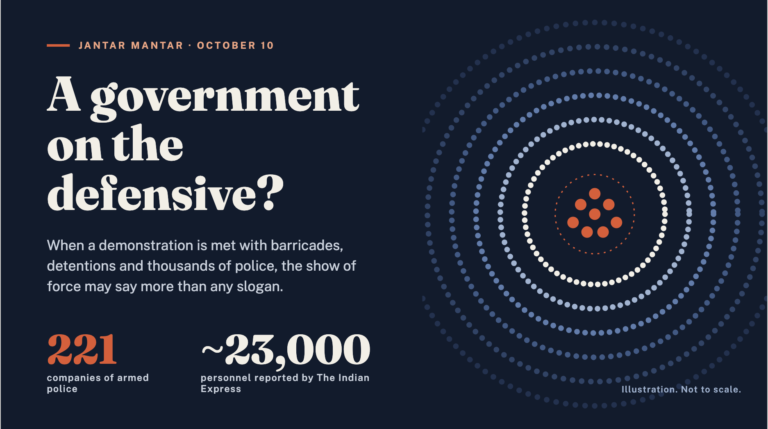
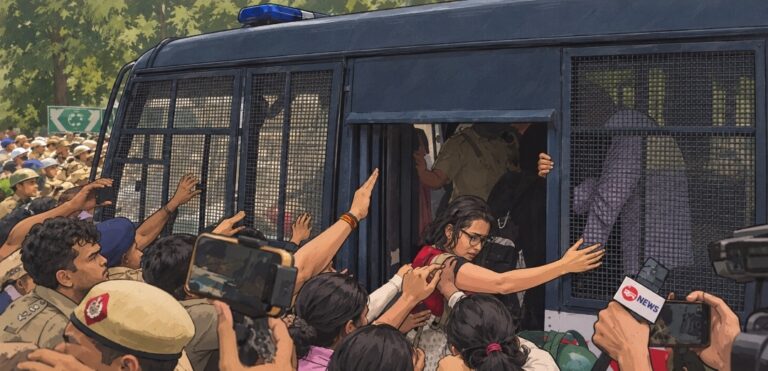
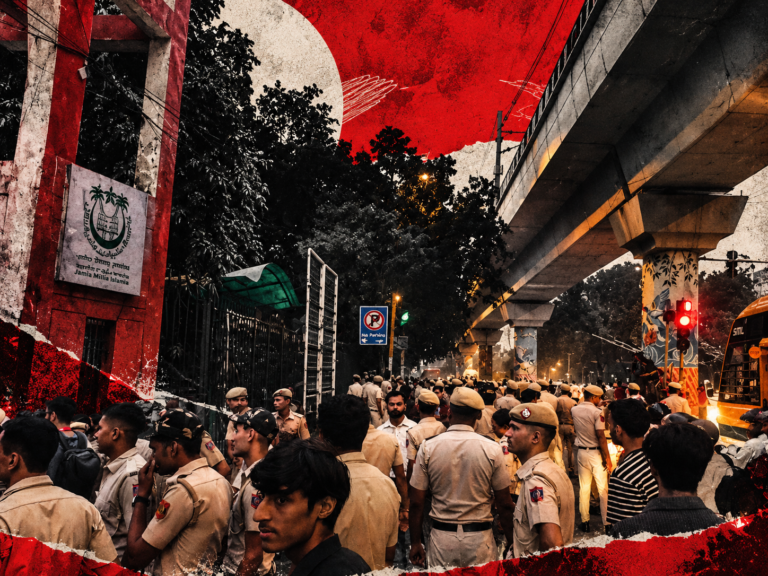
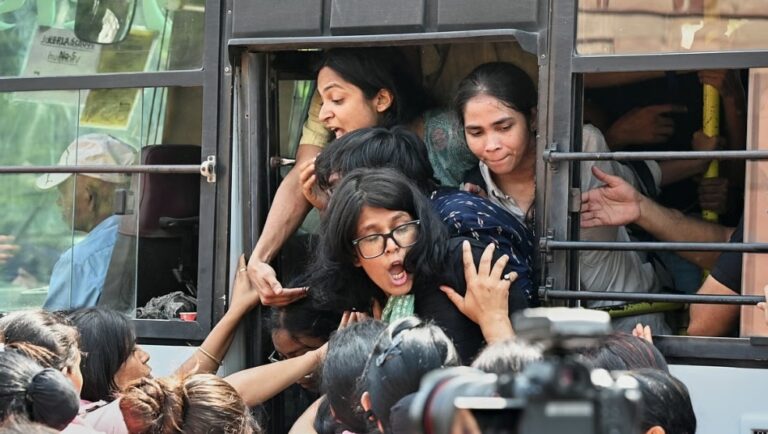
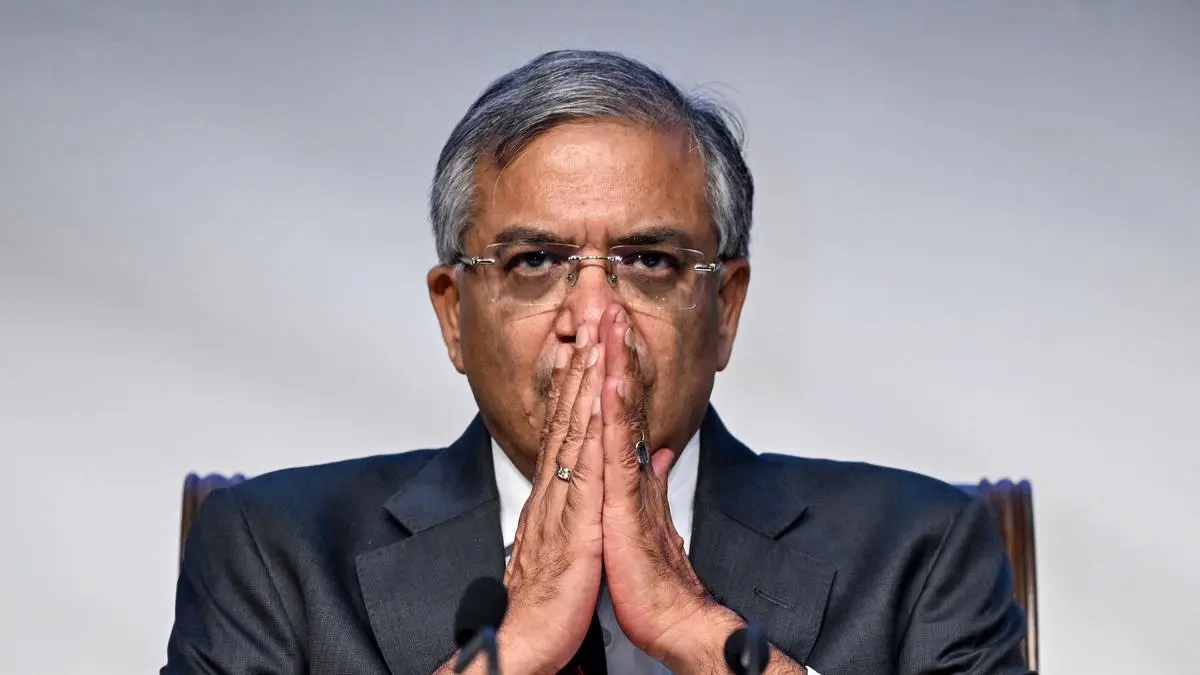
That is the context in which activists, political leaders, lawyers and civil society representatives are preparing for a protest at Delhi’s Jantar Mantar on October 2. The organisers have called it “Jantar Mantar 2.0” and are framing it as a public campaign for accountability against Chief Election Commissioner Gyanesh Kumar.
The rhetoric surrounding the protest is deliberately sharp. At a press conference on Wednesday, AISA president Neha Bora argued that the right to vote and the right to protest were being threatened simultaneously. RJD MP Manoj Jha described Kumar as a “symbolic man” representing what he alleged were deeper problems within India’s electoral democracy. Senior advocate Prashant Bhushan accused the Election Commission of taking decisions that, according to him, went beyond its legal authority.
These are political and legal allegations, rather than established findings. But they acquire greater significance because questions about the functioning of the Election Commission are no longer coming exclusively from opposition parties or civil society groups.
The most consequential development is inside the Election Commission itself
An investigation by The Indian Express reported last month that Election Commissioners Sukhbir Singh Sandhu and Vivek Joshi had formally objected at least 14 times over a period of 10 months to decisions and orders that they said had been taken without their knowledge. The objections reportedly concerned matters at the heart of electoral administration, including voter registration, deletion and restoration of names, changes to Form 6 and access to electoral-roll databases.
That report has transformed the nature of the controversy.
If the allegations are correct, the issue is no longer simply whether individual voters have been wrongly excluded from electoral rolls. It raises a constitutional question about the manner in which a three-member constitutional body is functioning.
The Election Commission has rejected the suggestion that there was institutional dissent, saying that decisions, including those relating to SIR, were taken unanimously.
That leaves an important question at the centre of the controversy: what exactly happened inside the Commission, and what were the formal processes through which decisions affecting millions of voters were authorised?
The answer matters because electoral-roll management is not an administrative detail. It determines who is able to participate in the political process.
The scale of SIR has raised the stakes
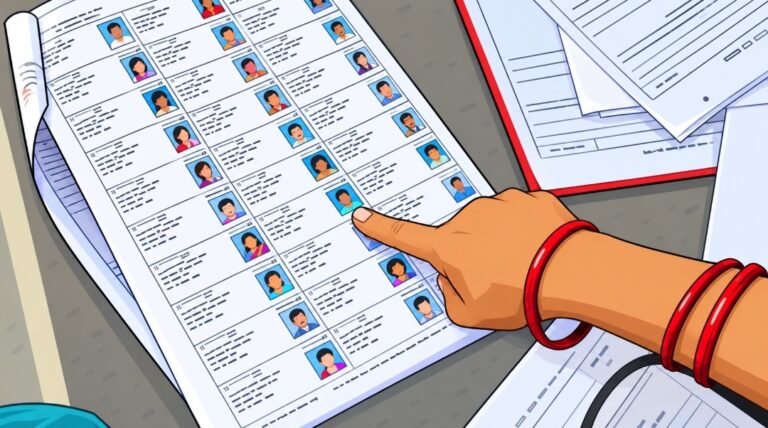
The nationwide SIR exercise has resulted in more than 13 crore names being removed from draft electoral rolls across 30 states and Union territories, according to reporting by The Indian Express. The Election Commission’s position is that the exercise is intended to identify and remove ineligible entries and ensure the accuracy of electoral rolls.
Critics, however, argue that the scale of the deletions makes the verification process itself a democratic issue.
This is particularly important because the burden of proving eligibility can fall unevenly on citizens who migrate for employment, lack easily accessible documentation, have changed addresses or belong to communities with weaker access to state records.
At Wednesday’s press conference, Professor N. Sukumar specifically raised this concern in relation to SC, ST, OBC and minority communities. His argument was that documentation requirements could disproportionately affect people whose lives are characterised by migration, insecure employment and limited access to formal records.
Whether that claim is ultimately borne out by the data is an empirical question. But it identifies the central tension in SIR: the state has a legitimate interest in maintaining accurate electoral rolls, while the verification mechanism must ensure that legitimate voters are not excluded because they cannot satisfy an excessively burdensome evidentiary requirement.
The Gyanesh Kumar question is therefore larger than one individual
Rahul Gandhi’s Wednesday post sharpened the political dimension of the controversy. He asked:
“Why is CEC Gyanesh Kumar the only Indian with lifelong blanket legal immunity? A. Because PM Modi uses him to steal elections.”
The second sentence is a political allegation by Gandhi and should be understood as such. There is no established finding that the Prime Minister uses the CEC to “steal elections”.
The first part, however, points towards a genuine legal question, although Gandhi’s formulation of “lifelong blanket legal immunity” is broader than the statutory provision.
Section 16 of the Chief Election Commissioner and Other Election Commissioners (Appointment, Conditions of Service and Term of Office) Act, 2023 provides protection against civil or criminal proceedings for an act, thing or word committed, done or spoken by a person who is or was a CEC or Election Commissioner in the discharge, or purported discharge, of official duties.
That is significant because the provision concerns conduct connected to official functions. It should therefore not simply be described as an immunity from every possible form of legal accountability.
But the underlying institutional question remains important: what happens when the public believes that an electoral authority has acted unlawfully or exceeded its powers?
The answer cannot depend entirely on political pressure.
The appointment mechanism is part of the debate
The controversy also inevitably brings attention to the manner in which the country’s top election officials are appointed.
Under the 2023 law, the selection committee consists of the Prime Minister, the Leader of Opposition in the Lok Sabha and a Union Cabinet minister nominated by the Prime Minister. Gyanesh Kumar became the first CEC appointed under this new framework. The Indian Express has noted that the change gives the government greater influence over the composition of the selection panel than the earlier arrangement.
This does not, by itself, establish that an Election Commissioner will act in the government’s interest. Independence cannot be inferred simply from the composition of an appointment committee.
But the structure does create a legitimate institutional debate about safeguards for the independence of a body whose fundamental responsibility is to administer elections involving the same political establishment that participates in those elections.
That distinction is crucial.
The real test is institutional transparency
The SIR controversy is ultimately less about whether one side of the political spectrum has a stronger argument than another. It is about whether the Election Commission can demonstrate, through transparent procedures and verifiable records, how decisions affecting millions of voters were reached.
The reported objections by two Election Commissioners make that question particularly difficult to dismiss as merely partisan criticism. At the same time, the Commission’s assertion that decisions were unanimous cannot simply be ignored.
The obvious answer is greater transparency.
The public should be able to understand who authorised significant changes to electoral-roll procedures, what legal provisions were relied upon, how objections within the Commission were resolved, what safeguards exist against wrongful deletion and how voters can effectively challenge an exclusion.
Those are institutional questions, and they should remain answerable regardless of which political party is in power.
The October 2 mobilisation therefore represents one part of a much larger confrontation over the credibility of India’s electoral institutions. The language of “impeachment”, “culprit” and “stealing elections” reflects the political intensity of the moment. But beneath that rhetoric lies a more consequential question:
Can the Election Commission convince citizens that the process through which they acquire, retain or lose their most basic democratic right is transparent, legally grounded and institutionally accountable?
That question will not be settled by a protest, a political speech or a social-media post. It will ultimately depend on evidence, judicial scrutiny, parliamentary accountability and the Election Commission’s willingness to publicly explain how the SIR process has been conducted.
And that is why the controversy surrounding Gyanesh Kumar has become bigger than Gyanesh Kumar himself.