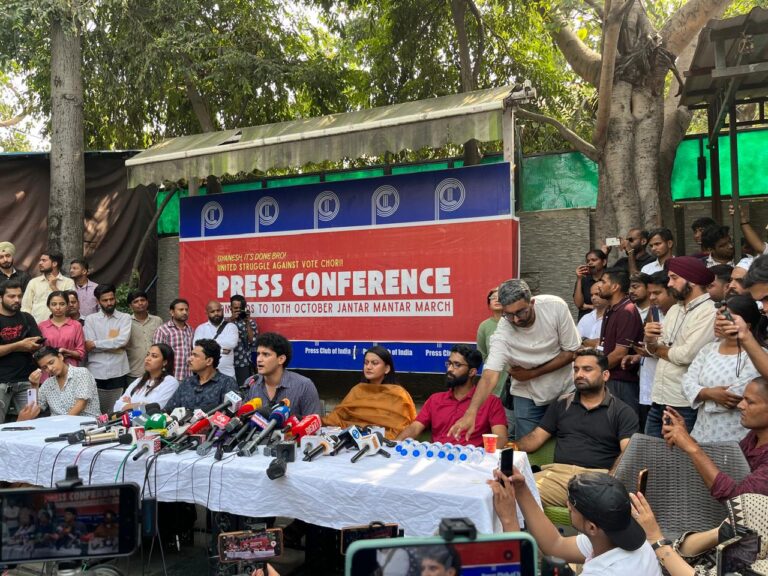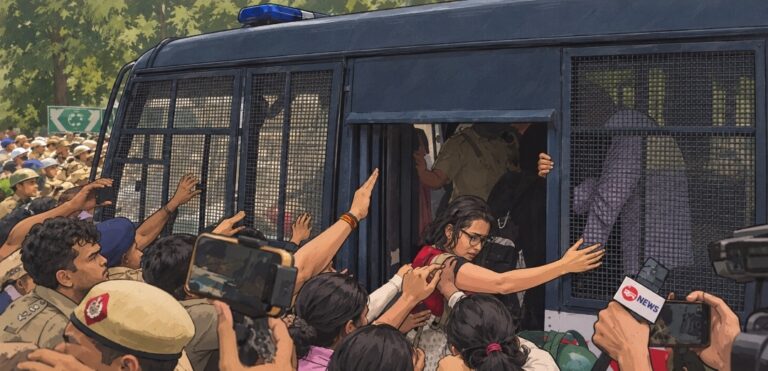
The detention of students and activists ahead of the Jantar Mantar protest demonstration has turned a dispute over electoral rolls into a confrontation over democratic rights, and the state’s reaction has exposed an authority that can no longer rely on persuasion.
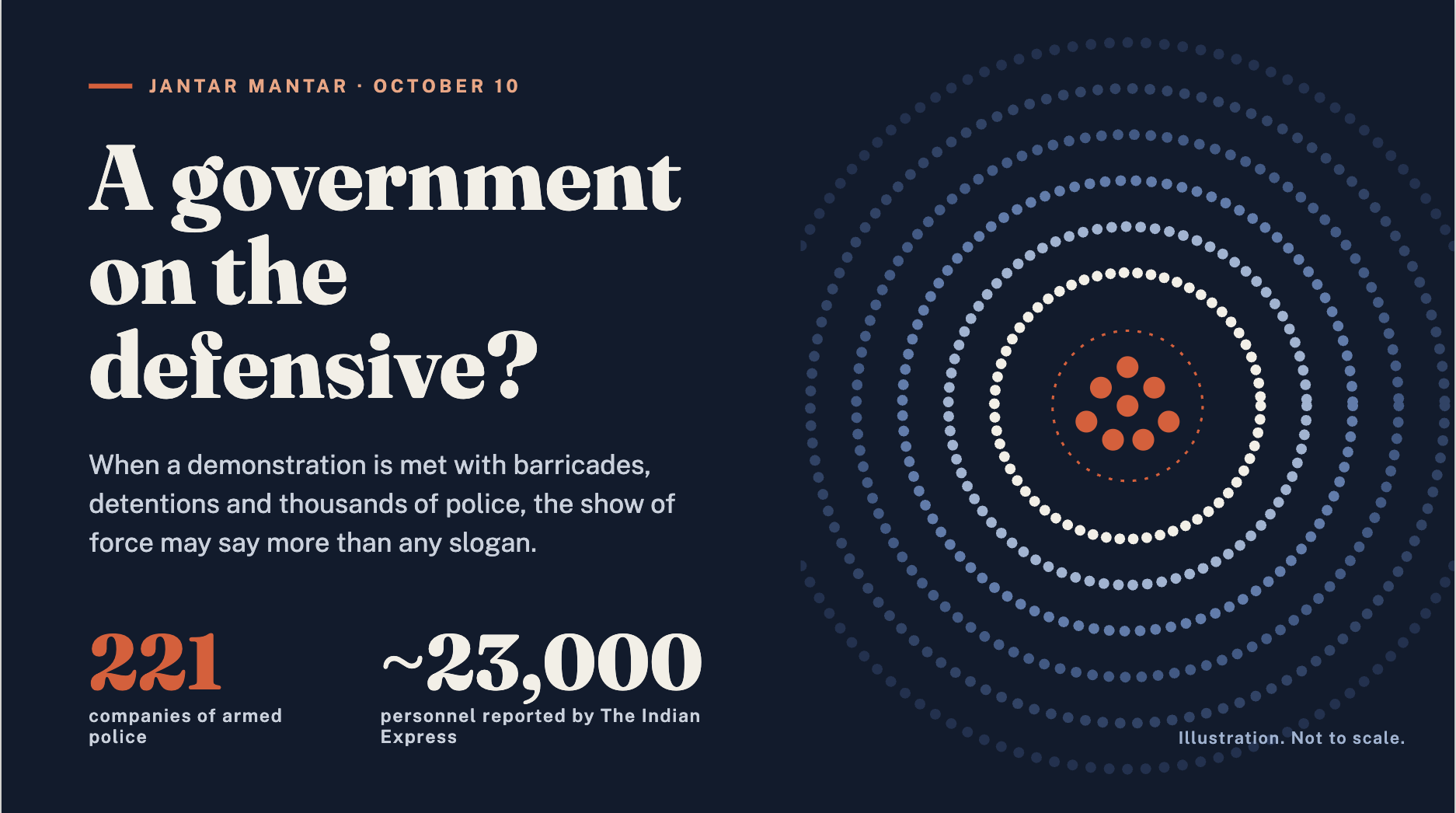
A government that commanded its politics would hardly have needed 221 companies of armed police to manage a demonstration of students, activists and opposition parties. The Indian Express has reported the mobilisation of roughly 23,000 personnel by the Union government to assist Delhi Police and secure key areas, and the figure has already told the country more about the condition of Narendra Modi’s authority than any slogan raised against the Election Commission. Governments that feel secure have usually allowed a protest to exhaust itself in public view. This one has chosen to surround the protest before it began, and the choice has made the size of the deployment into the story.
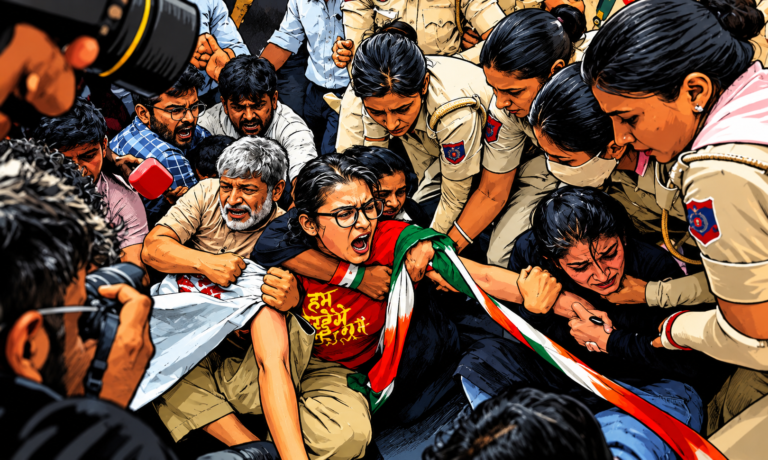
Reports from the states have followed the same logic. Maktoob Media reported on October 9 that AISF members travelling from Pune faced police action, that Cockroach Janta Party spokesperson Deepak Baliyan was detained in Rajasthan, and that activists were held in Madhya Pradesh and Mumbai. Students have alleged that police stopped them on trains before they could reach the capital. Each claim will need independent verification, and if even a part of them withstands scrutiny, the state will have chosen to stop citizens from arriving at a protest instead of answering them once they got there. A leader who feels secure would rarely make that choice, because a visible prohibition can cost far more than a noisy crowd ever could.
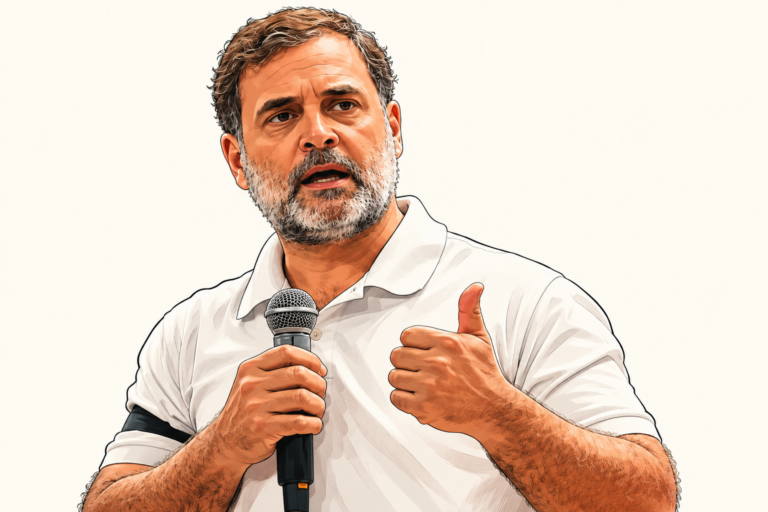
One of the opposition’s most prominent faces has met the same treatment. According to the Associated Press, Rahul Gandhi was detained on October 7 while marching towards Jantar Mantar, his second detention in two days, and other opposition lawmakers were held and later released. A government sure of its mandate could have allowed the march to proceed and answered it at the ballot box. Detaining an opposition leader twice within forty-eight hours has instead handed him the position of a man prevented from walking to a public square. Images of that kind will circulate long after the police vans have left, and they will remind voters that the ruling establishment chose obstruction over a political contest it could have joined.
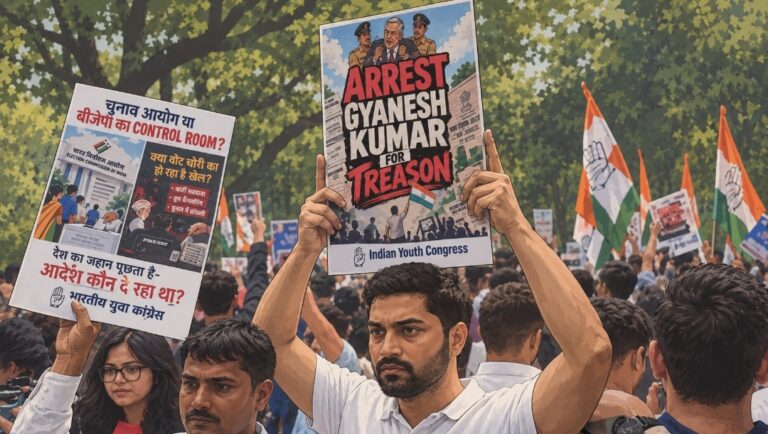
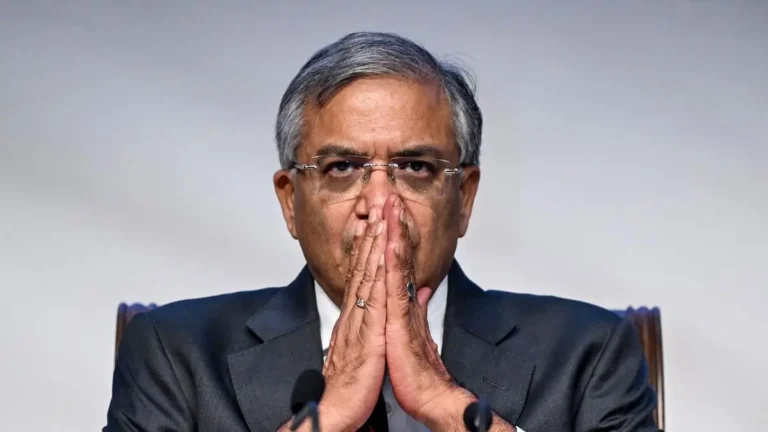
The cause of the agitation has made the weakness harder to conceal. Opposition parties and organisers have questioned the Election Commission’s Special Intensive Revision of electoral rolls and have demanded the resignation of Chief Election Commissioner Gyanesh Kumar. The Election Commission and the BJP have rejected allegations of bias and have said the exercise will remove duplicate and ineligible entries. Those who hold that position have access to the data, the procedures and the machinery of the state, so they could have answered with disclosure. They have answered with barricades. Disclosure would have cost them a few uncomfortable days of scrutiny, whereas barricades may cost them the claim that the process stands above suspicion, since an institution confident in its rolls would have invited every sceptic to inspect them. A government that believed in its case would have wanted the argument heard.
Authority of this kind has been tested before and has already yielded. The youth-led CJP movement had earlier campaigned over examination paper leaks, and that agitation ended with the resignation of the education minister, according to the AP report. A leader whose rule has been associated with the capacity to overcome resistance was forced to concede ground to the same young protesters, who have now returned with a larger grievance and a wider set of allies. Having retreated once, the government has apparently decided that the second encounter should be prevented from happening at all. That decision may protect the capital’s roads on October 10, though it can only deepen the impression that the first concession was extracted by pressure and never offered by conviction.
The Wire has argued that the highhanded response reveals a loss of authority, and the reasoning has real force. Political authority has traditionally rested on consent, and force will become necessary only where consent can no longer be assumed. A leader who commands loyalty can tolerate a crowd at Jantar Mantar, whereas one who doubts it will see every gathering as a threat. The scale of the police operation may therefore be read as an admission, and the government’s own conduct has supplied it without any help from the opposition.
The youth of the protesters has added to the difficulty. Young people who say they were stopped on trains will carry that experience into every later conversation about the government, and no official briefing will easily answer a story told by those who lived it. Students who were once mobilised over examination paper leaks have now been drawn into a dispute over the credibility of elections, and a government that treats them as a security problem may find that it has taught a generation to regard the state as an adversary. Political movements have often been built from exactly that kind of grievance, and the ruling establishment has handed the opposition a ready supply of it.
The convergence of forces against the government has compounded the damage. The CJP and student organisations have announced a joint mobilisation, and opposition parties have run their own demonstrations against the Election Commission. Groups with no common ideology have found a shared cause in electoral accountability, and the government’s methods have given them a second cause in the right to dissent.
The National Federation of Indian Women, whose president Dr Syeda Hameed and general secretary Nisha Sidhu issued a statement on October 8, has demanded that the authorities disclose the names and whereabouts of the detained, state the legal grounds for each detention, investigate allegations of mistreatment and guarantee access to lawyers. They also asked why the Union home minister appeared so apprehensive about young people raising their voices. Civil liberties groups, student bodies and opposition parties would once have been unlikely to share a platform, and the government’s response has helped to assemble it.
What emerges is a leader who has spent more than a decade cultivating the image of command and now finds that image contradicted by his own security apparatus. A man who is secure in his authority would have no reason to stop students on trains. A government that trusted its electoral institutions would have every reason to open them to inspection. The October 10 protest may draw a large crowd or a small one, but the weakness it has exposed is already visible in the barricades, the detentions and the silence where answers should have been. Authority that depends on the police to keep questions away has conceded that it can no longer count on the public to dismiss them, and a leader in that position will find that every further show of force confirms what it was meant to conceal.