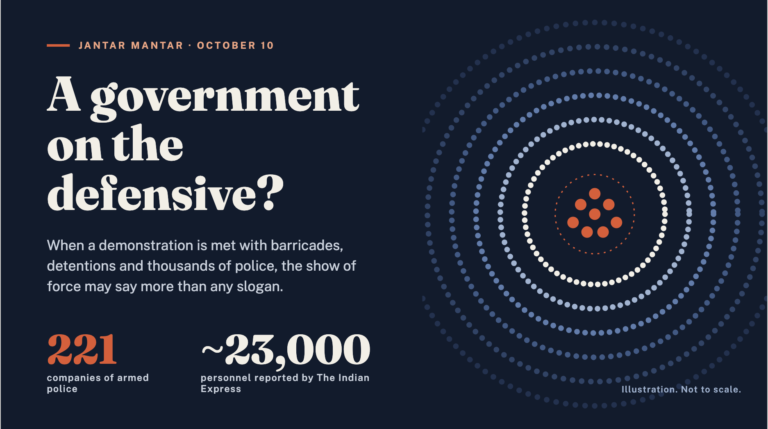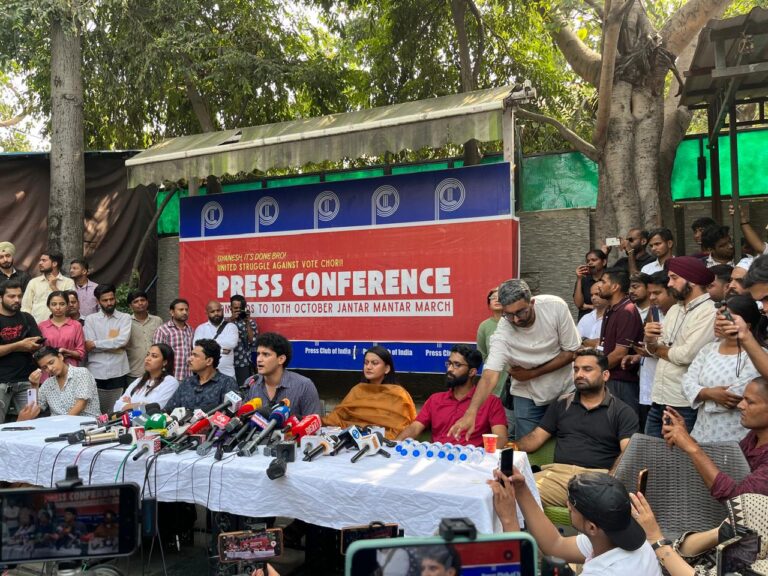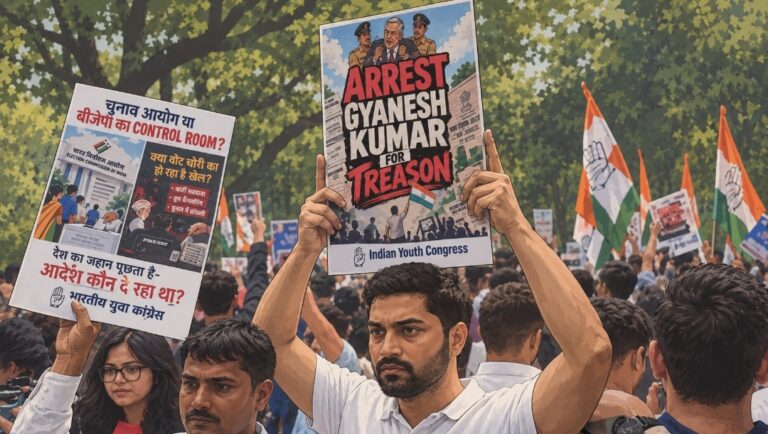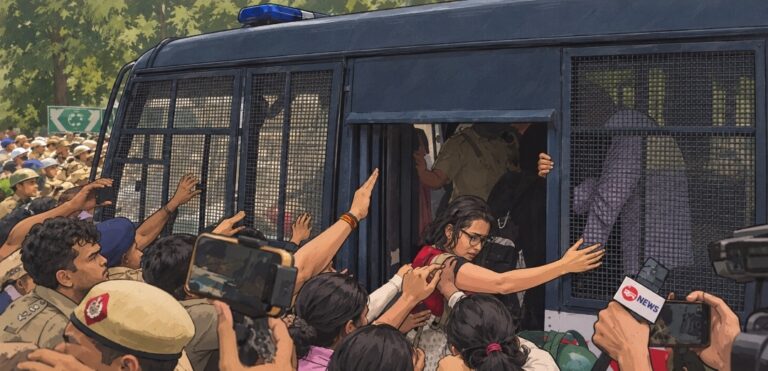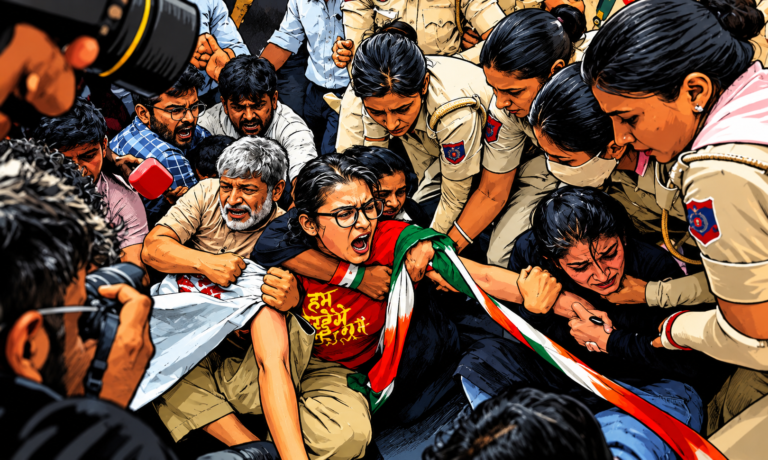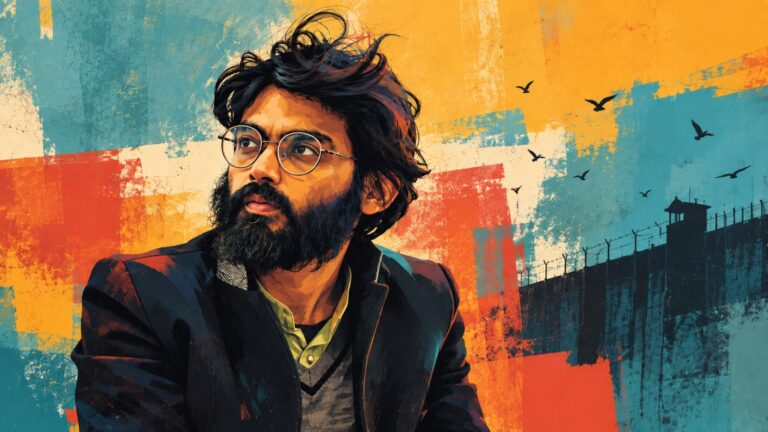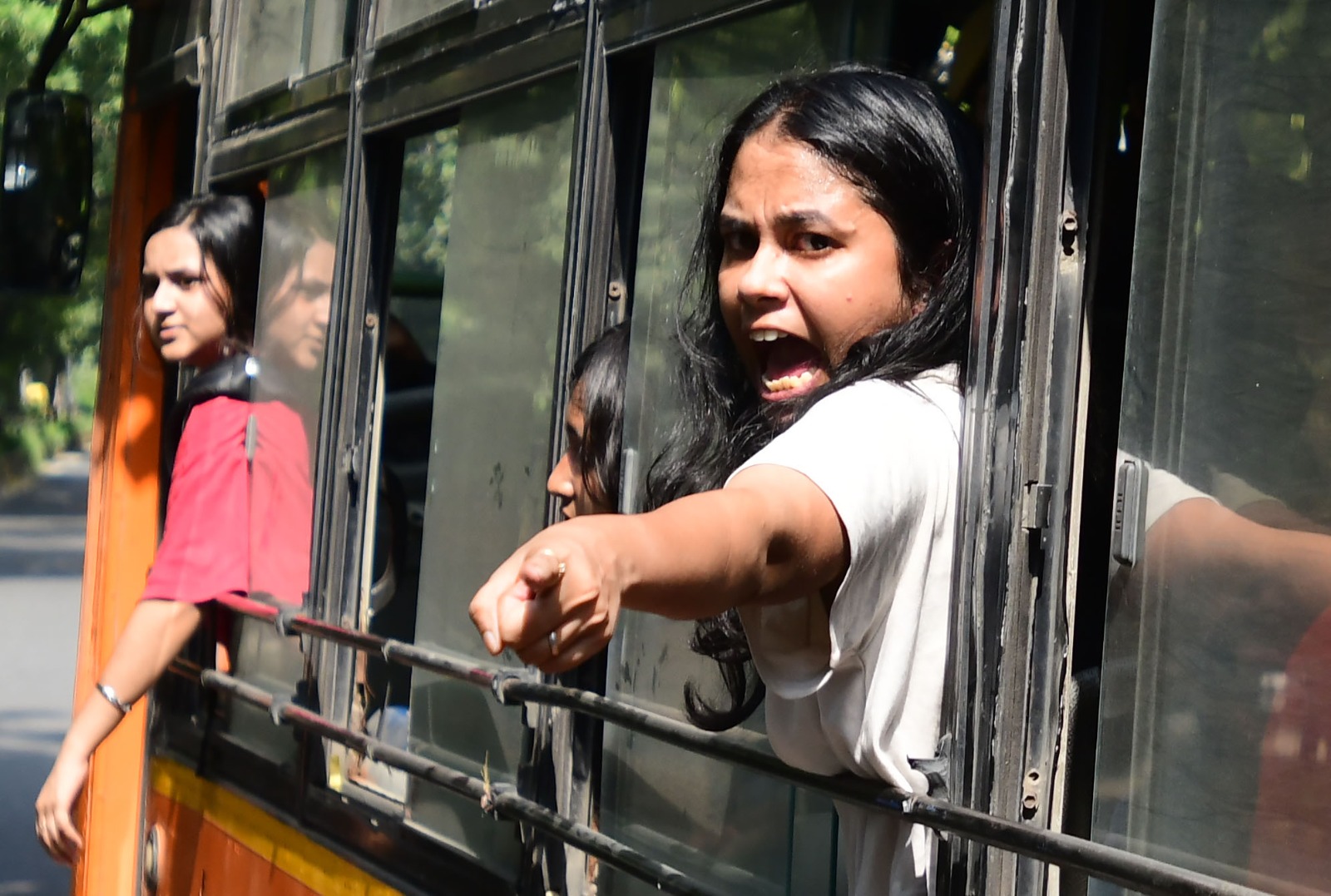
By the morning of 10 October, more than 30,000 police and paramilitary personnel were reported to have been deployed in Delhi. Services on the railways and the metro were suspended, while mobile internet went dark in several areas. Jantar Mantar, the designated site for lawful protest in the capital, was sealed off before anybody could reach it. Police officers boarded an aircraft from Mumbai after it landed, and detained the founder of the Cockroach Janta Party, Abhijeet Dipke, along with two associates. Thousands more were taken away in buses, among them journalists, opposition leaders, young activists and the national president of the All India Students’ Association.
A government with the affection of its young citizens would have found no reason for such a display, since a few thousand students with banners may be answered by a minister with a microphone. Prime Minister Narendra Modi’s Bharatiya Janata Party has attributed its electoral success to his popularity and the country’s economic growth. A party confident in that claim could allow the marchers to reach Jantar Mantar, where cameras would record how few they were. A deployment on such a scale can be read as a count in reverse, because officials who expected a small crowd would hardly have sealed a city to meet it. The movement took its name from an official who disparagingly compared unemployed youth to cockroaches. The government had spoken with these youth groups in July, when protests over leaked exam papers at the same site ended with the resignation of Education Minister Dharmesh Pradhan.
The grievance behind the marches could be answered in a week by any authority willing to show its working. The Election Commission’s Special Intensive Revision has removed roughly 130 million names from the voter lists, and critics say the deletions disproportionately benefit the ruling party. A newspaper investigation reported last month that two of the three members of the commission had questioned the revisions overseen by Chief Election Commissioner Gyanesh Kumar. The ruling party has answered with a tally attributing the deletions to deaths, relocation, duplicate entries and voters whom officials could not trace. A tally of that kind may suit a press conference, although only a published list will reassure a voter who finds a name missing. A government unafraid of accountability could ask the Commission to answer in public and in full, because a vindication delivered in daylight would cost nothing. The answer so far has arrived as a prohibitory order under Section 163 of the Bharatiya Nagarik Suraksha Sanhita, which Delhi Police cited in refusing permission for the march.
Persuasion came first, in the form of a tally of deleted names and a spokesman’s confident dismissal, so the buses may be read as a receipt for its failure. Sambit Patra, the party’s spokesman, dismissed the demonstrators as anarchic elements, called their show a flop and said India was calm. A flop could hardly have required more than 30,000 personnel, suspended trains and mobile internet switched off in several areas. Talks were possible in July, when the grievance concerned a minister and some exam papers. They have given way to a hardline stance since the grievance turned toward the body that counts the votes, which may explain why the government treated it as a threat to its own authority.
Thousands of the detainees were released on Sunday after the Supreme Court called their detention illegal. Leaders of the movement were released on condition that they breach no peace for a year. A visual artist detained on Saturday said that people going about their day, one heading for a gurudwara and another meeting his wife, were picked up alongside the demonstrators. Reporters from several outlets were detained while covering the demonstrations. A government at ease with accountability would hardly need the Supreme Court to call its detentions illegal.
Dipke filmed the officers entering the aircraft and posted the footage, in which he told them that he had come to be arrested. A government winning the argument would hardly supply its critics with footage of that kind. The United Nations Human Rights Office expressed concern about the mass detentions and called for meaningful dialogue. Delhi’s mission in Geneva dismissed the concern as interference in internal affairs, adding that Indians exercise the right to assemble subject to reasonable restrictions in the interest of public order. A restriction may warrant a barricade, although it can hardly excuse the detention of a man on his way to a gurudwara. The BJP has also portrayed the protests as an effort to destabilise the government, a charge that would carry more weight if peaceful marchers were not the ones filling the buses.
Citizens will forgive a government many disappointments, although doubt about the count may undo their consent altogether. A government sure of the count could have invited every young protester to inspect the lists. The buses that arrived at Jantar Mantar gave the country its answer, and the youth leaders have promised to return.