Agha Ruhullah Mehdi’s resignation from the membership of the National Conference, the region’s largest political party, and the Lok Sabha seat from Srinagar, has drawn considerable attention, from political commentators and masses, with different opinions over his sustenance, and credibility in the future course of Jammu and Kashmir’s politics.
Agha Syed Ruhullah Mehdi, a Shia cleric and a prominent face of politics from the Budgam district of Kashmir, has a prominence among the Shia Muslims of the Valley. However, his political journey began when he was elected as a legislator from the Budgam constituency on the ticket of the National Conference in 2002. He became a prominent face in the Valley’s politics and successor to his father’s political and religious stature, Agha Syed Mehdi, who was assassinated in 2000. He was subsequently reelected as the legislator from the same seat in 2008. His successive electoral victories indicated his prominence in the NC as well as in the politics of J&K. He also served with Omar Abdullah, with whom disagreements emerged in the following years over ideological lines, as a Cabinet Minister from 2009 to 2014. Furthermore, he served in several senior party posts, including as the Chief Spokesperson of JKNC from 2015-2020. However, he resigned from the post over growing differences with the party’s silence on the abrogation of Article 370 in 2020.
Agha Ruhullah Mehdi was also given a ticket to contest the Srinagar parliamentary constituency in the 2024 Lok Sabha elections. In the subsequent Assembly elections, he was among the star campaigners of the JKNC, who helped the party’s candidates secure victories across the valley.
Although disagreements within the party and among its leaders had been a part and parcel of his politics, the chronology of his dissent with the party shows that his journey was characterized by recurring disagreements over political commitments and accountability. His resignation from the Lok Sabha seat and the membership of NC, however, was a reaction to several growing disagreements over time, which forced him to quit the political party that shaped his political figure.
However, the position of the Omar Abdullah-led government also needs to be considered in understanding this political disagreement. The National Conference has maintained that the restoration of Jammu and Kashmir’s special status remains its political commitment, but the restoration of Article 370 is not within the authority of an elected Union Territory government alone. Following the Supreme Court’s December 2023 judgment upholding the abrogation of Article 370, any reversal would require action at the level of the Union government and Parliament. Omar Abdullah has also argued that his government must work within the constitutional and administrative limitations imposed on Jammu and Kashmir as a Union Territory. This, however, does not remove the political responsibility of the ruling party to explain the steps it has taken towards fulfilling its electoral commitments and to remain accountable to the people who voted for it.
On 23 December 2024, the Open Merit students staged a protest outside the residence of Omar Abdullah, demanding the rationalization of the reservation policy. They were demanding the rationalization of the existing policy, which, according to the protesters, provided reservation of government jobs of up to 60 to 70 per cent to reserved categories while leaving the Open Merit quota at 40 per cent. The protest was joined by Mehdi and other political leaders from different regional parties, student activists and students from the valley. His participation in the protest against the policy implemented by his own party’s government created a visible contradiction between party loyalty and his position on an issue of public concern. By supporting the students and participating in the protest, Mehdi was aligning himself with a section of the electorate whose demands placed his own party’s government under pressure.
However, the rationalisation, which was assured by the Chief Minister Omar Abdullah in response to the protest, was subsequently examined by the Council of Ministers and forwarded to competent authority for consideration. However, the matter still awaits the final clearance, with no implementation announced. government
Nevertheless, Mehdi’s dissent with the Omar Abdullah-led government began to grow over the promises made during the elections of the Assembly elections. He accused the Omar Abdullah-led government of not fulfilling core promises, such as fighting for the restoration of Article 370.
His stance on the abrogation of Article 370 has remained critical. From the floor of the Lok Sabha to the meadows of the Valley and other parts of the region, Mehdi has consistently voiced concerns over Kashmir’s humanitarian conditions, the autonomy of the region and its people. Mehdi’s role in backing the Open Merit students, followed by his growing disagreement with the party over its “lack[ing] accountability, commitment, and conviction,” shows a pattern of disagreement with the party leadership over its failure to address public concerns.
From May 2025, Mehdi continued to make political interventions independent of the party leadership, following a confrontation with Omar Abdullah during a Working Committee meeting of the JKNC. He continued to criticise his own government while questioning the dilution of electoral promises. The major cause of his political separation from the NC had been linked to the changing direction of the party leadership, from its electoral promises to its subsequent actions, which rarely inspired confidence among the public about the restoration of the abrogated Article 370 and statehood at the earliest.
The manifesto of the JKNC was built around the promise of restoring Article 370 and 35A and statehood “as prior to August 15, 2019.” Alongside, it included objectives such as repealing the Public Safety Act (PSA) and providing essential facilities such as free electricity and a comprehensive job package for the youth.
The restoration of Article 370 and 35A remained among the central political commitments on which the NC sought a mandate in 2024. For Ruhullah, the government’s subsequent approach to these commitments became an important measure of its political accountability.
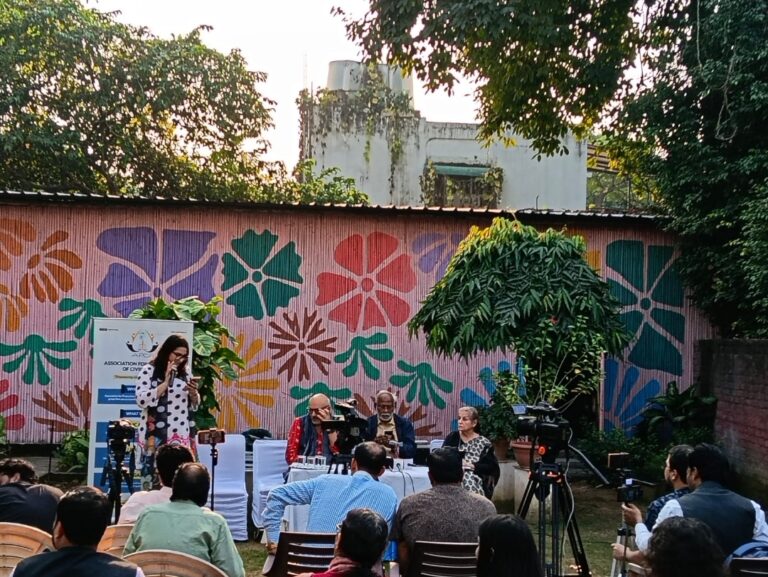
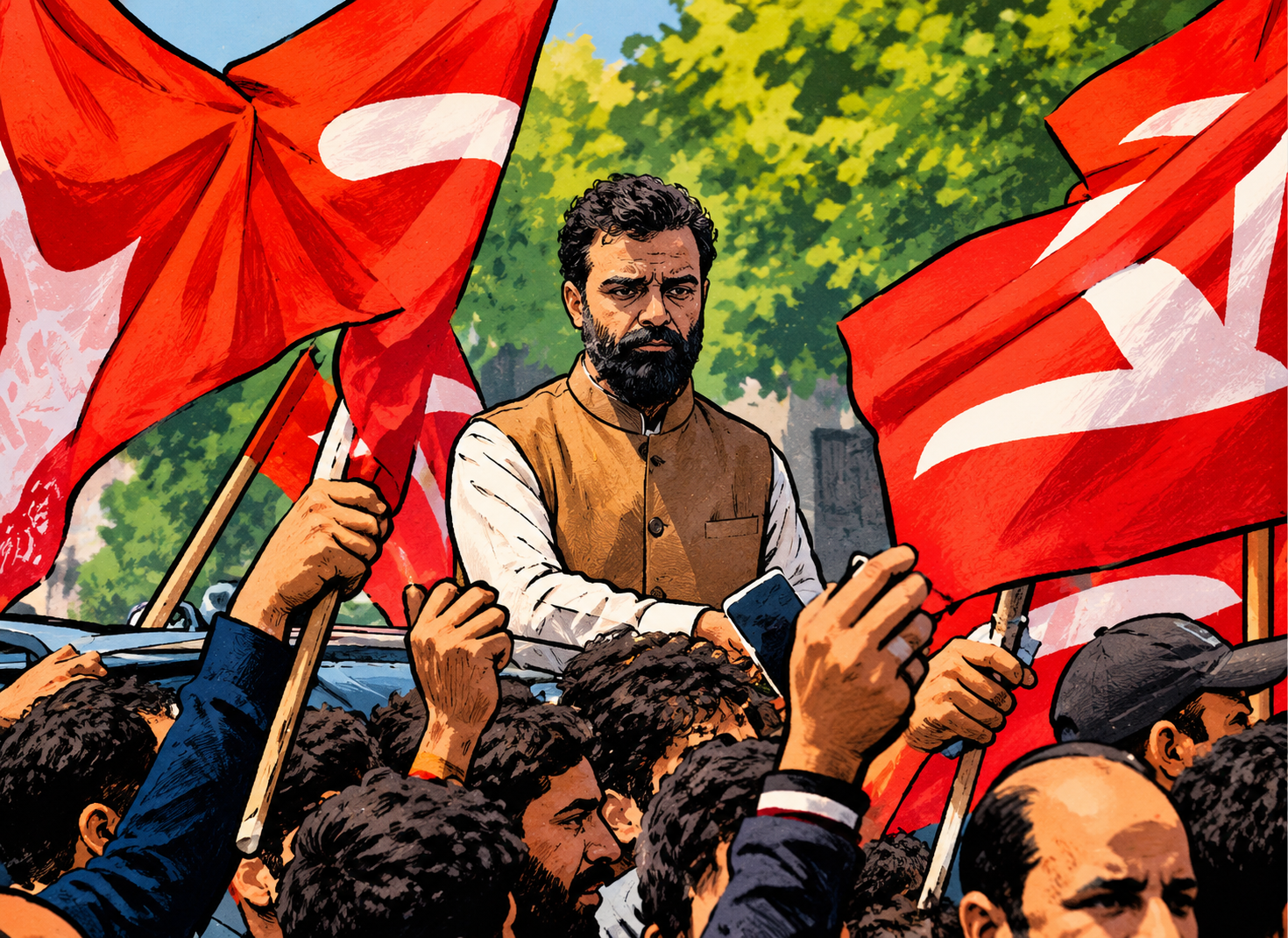
On 3 November, which also marks the death anniversary of his father, Agha Syed Ruhullah Mehdi announced his resignation from the NC and submitted his resignation from the Lok Sabha to the Speaker. He organised a convention at his native place, Budgam, where he addressed a public gathering and signed his resignation from the party. He also conveyed his political message to the people while criticising the ruling party for its failure to deliver on its promises, terming it a “betrayal.” While signing his resignation on the podium before the people, he referred to it as an act of securing his “political freedom.” His resignation should not be attributed merely to growing dissent within the party over the demand for the restoration of J&K’s special status, but understood through the wider circumstances that culminated in his political estrangement from the Omar Abdullah-led ruling party. His resignation from the NC and the Lok Sabha seat is not a solution, but a firm belief that promises must remain above the chair.
However, Mehdi’s resignation has connected him with the masses on an emotional level, while his electoral credibility will ultimately depend on his future political course and electoral contests. He has also addressed the media, stating that he will decide on the future course of his parliamentary seat.