For many queer Muslims, finding someone who shares their experience is hard, partly because sexuality, gender and faith are so often framed as opposing identities. Social media has given some people a way around that: a place to speak in their own words, push back on stereotypes and reach audiences who may have spent years feeling alone.
The five creators below work in fashion commentary, pop music, drag and everyday storytelling. They don’t tell one story. Some write about faith, some about heritage, and some mainly about building a space where others can belong.
Sufi Motiwala: Bringing queer Muslim identity into fashion talk
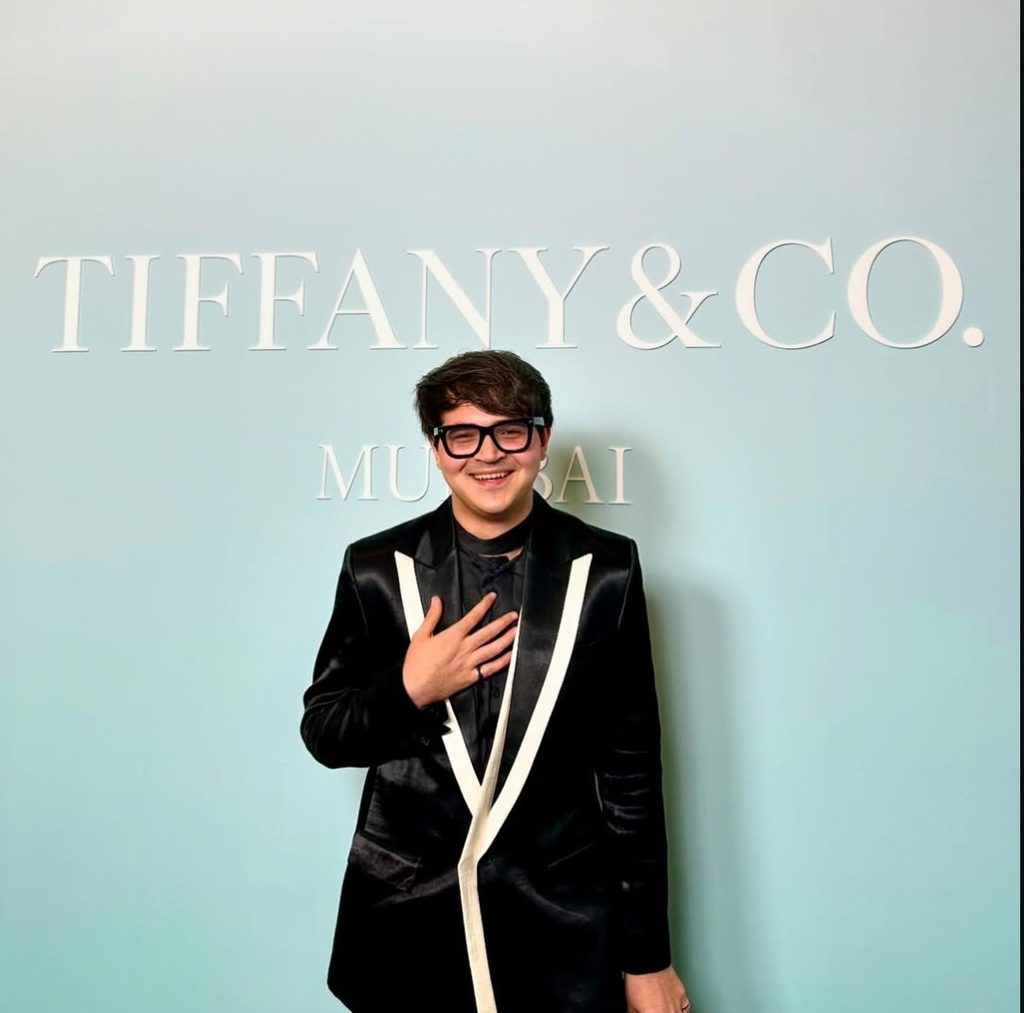
Indian fashion commentator Sufi Motiwala has made being queer and Muslim part of his public persona. In an India Today interview published in 2025, he was presented as a practising Muslim working through faith and sexuality in a society that often questions both. By May 2026 he was taking that conversation to Cannes, telling Brut on the red carpet that he was there to “represent queer Muslims of the entire world.”
Leo Kalyan: Pop music between two homes
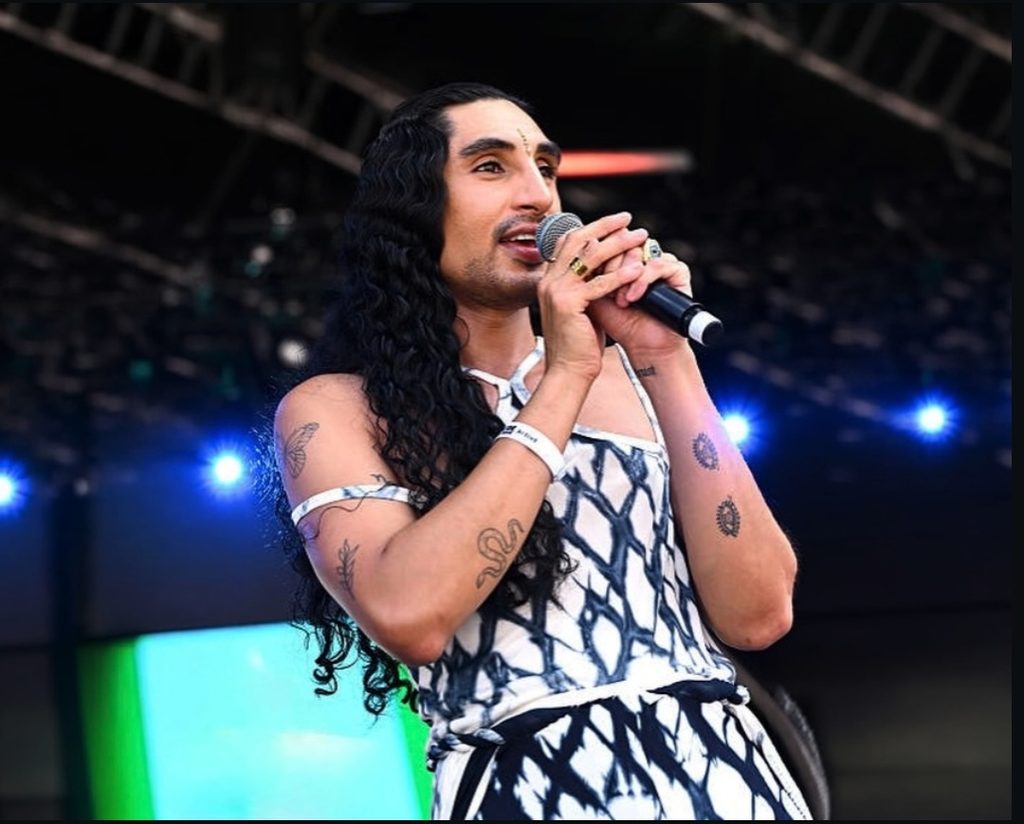
Where Motiwala works through commentary, London-born musician Leo Kalyan works through song. He spent part of his teens living between South London and Lahore, and his family has roots on both sides of the India–Pakistan border. In a 2019 Muslim Girl interview, he described his sound as equal parts Bollywood and Western pop. He also spoke about coming out in stages, first to his siblings, then his mother, and years later his father. Along the way, he said, he realised he didn’t have to give up his religion or culture because he was gay: “they can co-exist because I exist.”
Shaz: A safe space built online
Shaz, who posts as @mrspotatoqueen, is less interested in performance than in community. QX Magazine described her aim as creating an online space where Gen Z queer people can connect without pressure from cultural or religious expectations. She has been candid about the risks. She told Refinery29 that sharing her experience publicly felt risky, but that reaching even one person made it worthwhile.
Val the Brown Queen: Drag as South Asian pride
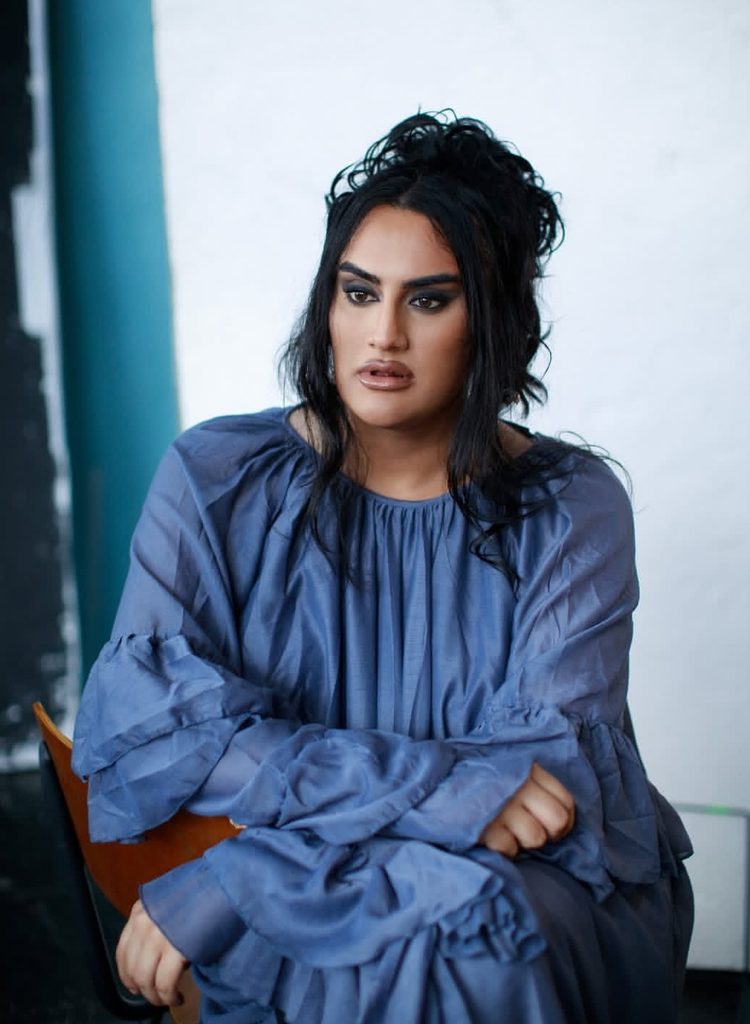
The community also sits at the centre of drag. Manchester performer Val the Brown Queen now performs under that name. Her earlier stage name, Val Qaeda, was a deliberate play on Islamophobic stereotypes, according to The Mancunion. QX calls her a self-described “Bollywood Bombshell in a Burkha.” She told The New Feminist she started drag because South Asians were barely visible in the gay scene, and that she hoped to inspire the next generation of queens. A 2024 Manchester event listing still bills her as the “Desi Doll.”
Ali Darwich: Making room at the table
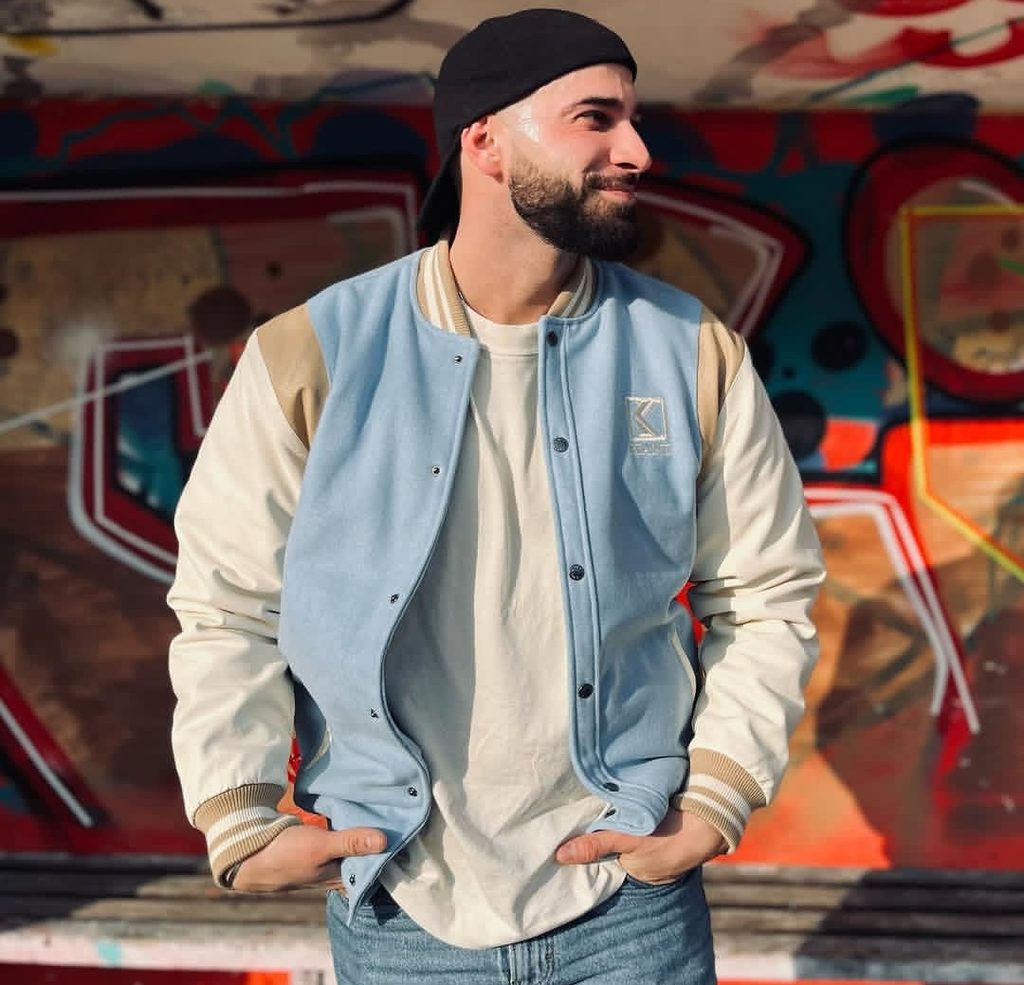
The last creator takes the community off the screen. Berlin-based Ali Darwich, who posts as @alifragt, is a 33-year-old German with Palestinian and Lebanese roots. In March 2026, the Associated Press covered the inclusive iftar he hosted on March 11 for 15 friends: Muslim and Christian, queer and straight, German and immigrant. The meal grew out of his own experience. After he came out, he said, his mother didn’t speak to him for about six months and relatives stopped inviting him to family events. He now urges people to open their homes to queer Muslims so they aren’t alone during Ramadan. His message at the table was that nobody can be “too queer” to belong.
Beyond visibility
These creators approach identity in different ways, but they share a conviction: people need to see lives like their own to feel less alone. Their feeds are not only about discrimination. They also document music, fashion, performance, family and everyday life.
Visibility has costs. AP reported that Randa Weiser, who hosted Darwich’s iftar, faced some online hate for announcing it. Even so, these creators show how digital platforms can become places for storytelling and community, and for queer Muslim lives to be told beyond the story of conflict.