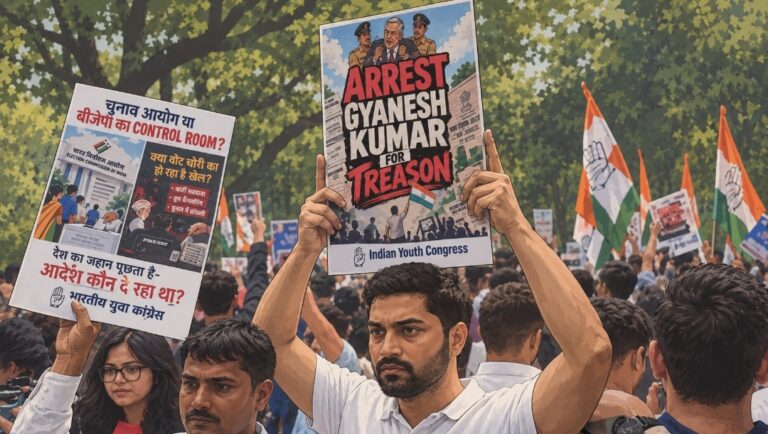
Delhi was shut down on Saturday, October 10, to stop a protest that had not yet begun. By morning, thousands had been detained, the founders of the Cockroach Janta Party (CJP) were in custody the moment their flight landed, and journalists with press cards were being driven away in buses. More than 35,000 personnel, closed metro stations and halted trains stood between the capital and a demand for the resignation of Chief Election Commissioner Gyanesh Kumar.
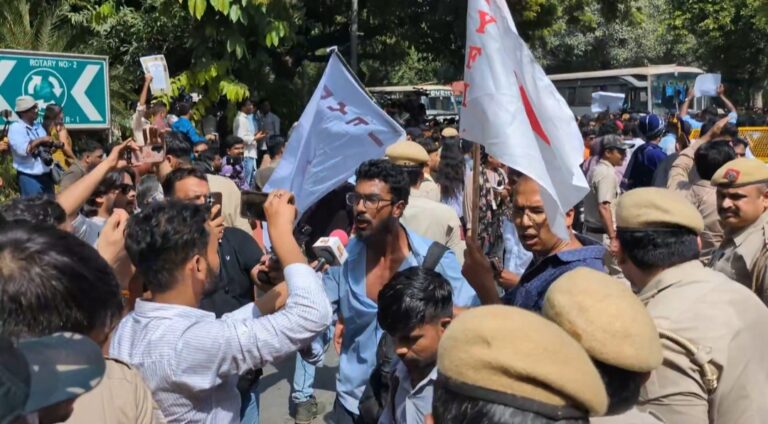
The protest, called by the CJP, student organisations and civil society groups at Jantar Mantar, demands Kumar’s removal and the scrapping of the Special Intensive Revision (SIR) of electoral rolls. Police denied permission, citing procedural issues, past violations and public safety, and call the gathering unsanctioned.
Thousands detained since last night
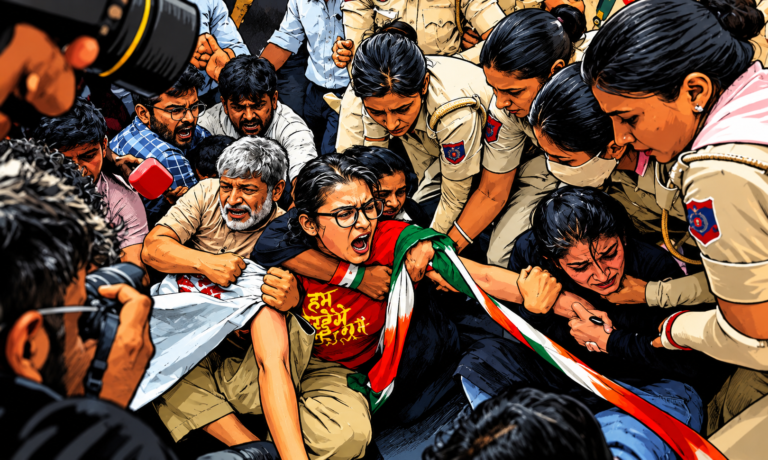
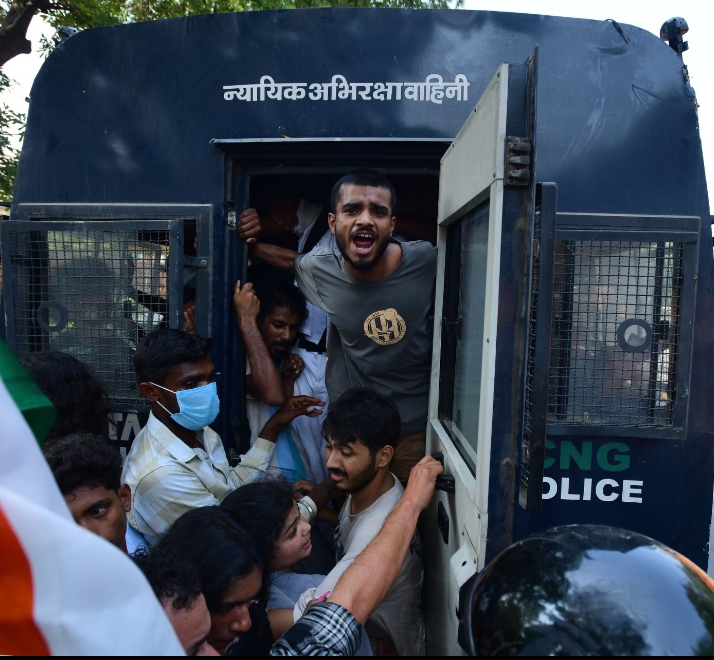
Reporters covering the detentions said around 4,800 people were detained across Delhi in an overnight operation, with another 70 picked up from the Jantar Mantar area on Saturday morning. Another count put the number at least 1,000 during the night, including at least 250 from the South East district, particularly around Shaheen Bagh. Delhi Police said at least 500 had been detained by mid-morning and expected 7,000 or more protesters in the capital. None of these numbers has been independently confirmed. Detention centres were set up in stadiums across the city, and police said six designated centres were in use.
Founders pulled off a flight
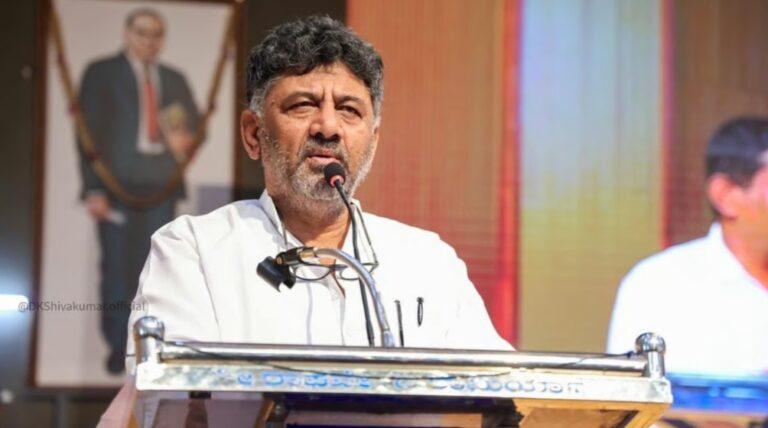
CJP founder Abhijeet Dipke and leaders Saurav Das and Ashutosh Ranka were detained at Indira Gandhi International Airport after their flight landed. Police personnel entered the aircraft, according to footage released by ANI, and slogans of “Inquilab Zindabad” rang out as they were taken away. Before taking off, Dipke had said he would not withdraw from the protest even if he was arrested. CJP policy head Mehr Pasricha was also detained.
Lawyers stopped on the road
A group of lawyers marching from the Supreme Court to Jantar Mantar to join the protest was also detained. The Supreme Court Bar Association has sought the urgent intervention of Chief Justice of India Surya Kant. Ratna Singh, CJP’s legal affairs head, said in a video released by the party that she was “illegally detained on the road”, in a car surrounded by about 35 police personnel and a DCP. CJP said three other lawyers were also detained without any grounds being disclosed. The legal basis for these detentions has not been confirmed.
Journalists and creators in buses
Several journalists were also reportedly detained. A video posted by The Quint shows journalists in detention buses despite showing their press cards. Content creator Kavya Karnatac, founder of KK Create, was detained at Dhaula Kuan, and footage shows her and other women being dragged into a bus. YouTuber Dhruv Rathee was taken into custody from his home in Gurugram. These are people whose work is to report on, or amplify, what happens on the streets. Karvaan India has not independently verified the footage.
A capital shut down for the October 10 protest
More than 35,000 Delhi Police and paramilitary personnel were deployed. Forty-five metro stations were shut, train services were disrupted, and vehicle checks were intensified at the city’s borders. Police teams were reportedly directed to detain anyone attempting to stage a protest, wherever they were.
Mobile internet was also suspended within a four-kilometre radius of the Janpath–Kartavya Path crossing, from 10 pm on Friday to 10 pm on Saturday, on an order from the Union Home Secretary dated October 9. The order covers mobile data only, but it takes in Jantar Mantar and much of central Delhi, where protesters, journalists and passers-by rely on their phones.
A week earlier, on October 2, hundreds were detained near Jantar Mantar, Section 163 was imposed across New Delhi, and 11 metro stations were closed. In the days before this protest, activists alleged that students were stopped on trains, a CJP spokesperson was taken from his home in Rajasthan, and Mumbai activists were told not to leave their city.
Protesters stand firm
Youth protesters have responded with resolve and appeared ready to go ahead with the protest. AISA president Neha Bora said that “Jantar Mantar 2.0 is on”, despite what she alleged were mass detentions. The mobilisation brings together the CJP, AISA, SFI, AISF and other organisations that have found a shared cause in electoral accountability.
A protest met with a shutdown
Delhi Police call the protest unsanctioned. They have not said what threat to public order justified detaining lawyers on the road, leaders in an aircraft and journalists with press cards, or which law allows thousands of people to be held before a protest begins.
A demand for an official’s resignation is a political demand, and it can be answered with a reply. Delhi answered with force. For a government that believed in its case, this protest would have been an inconvenience. This one treated it as an emergency, and the cost of that choice is already visible in the buses.