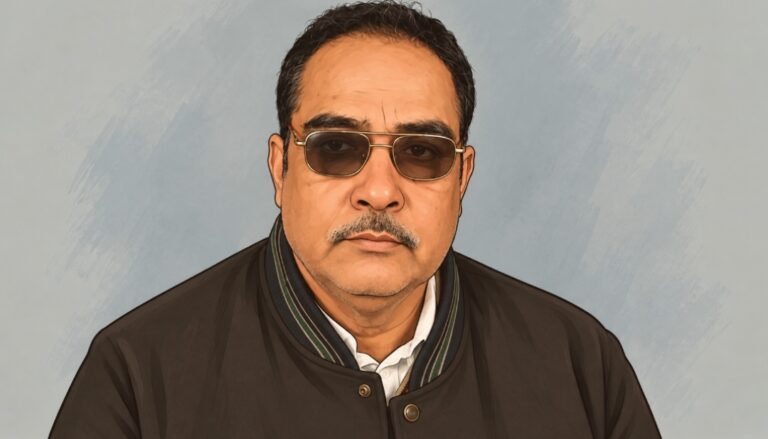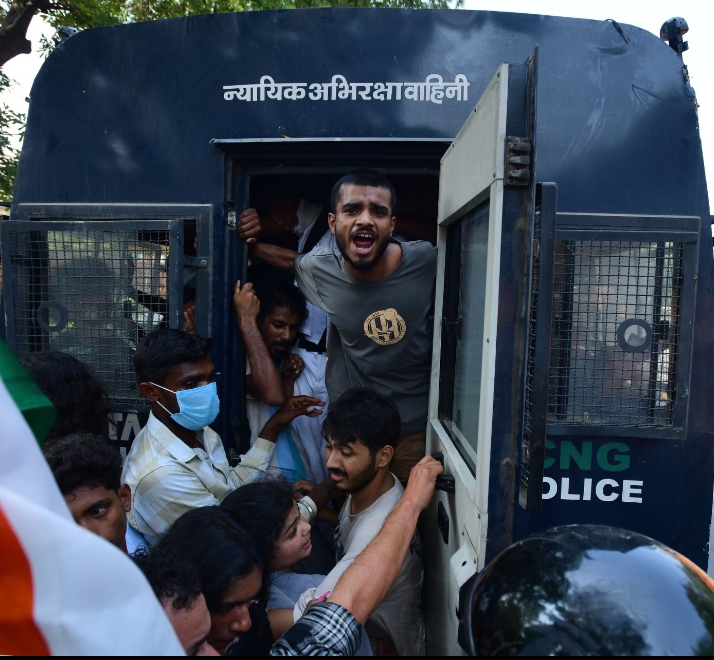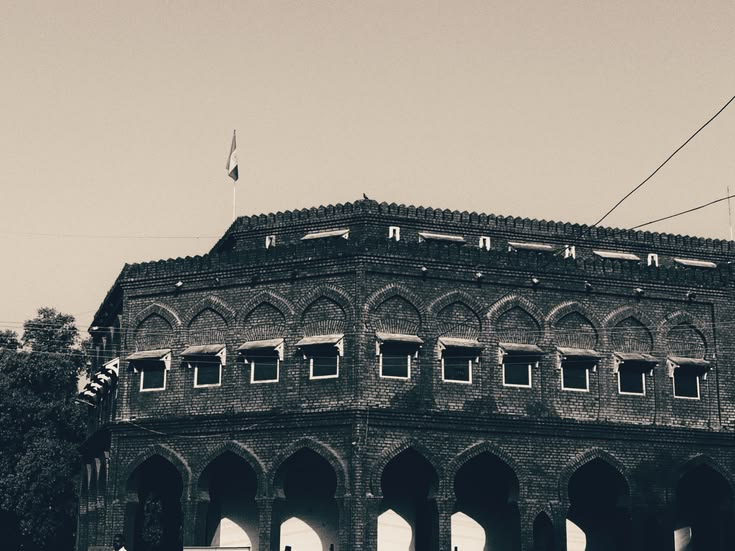
Since 21 September, a young MA Urdu student named Yasir Fahad has refused food at Duck Point, the small pond in the middle of the Aligarh Muslim University campus. In his first week he lost four kilograms. He asks for no scholarship, hostel room or grade. He asks for a date, the day on which AMU will finally hold elections to its Students’ Union.
I walked past that spot hundreds of times in my student days, talking about politics, the administration and life itself, as if the fate of the country depended on our next sentence. It is strange, and painful, to see the same spot become the site of a student starving himself to ask for something his university once took for granted.
To understand the stakes, I return to Albert O. Hirschman’s 1970 classic, Exit, Voice, and Loyalty. Hirschman argued that members of a declining organisation can exit, leaving for an alternative, or use voice, staying to protest and organise until things change. Their choice will depend on loyalty, meaning the strength of attachment and the reality of any alternatives. A university that shuts down voice among people with little scope for exit and deep loyalty will build pressure.
Seven years of silence
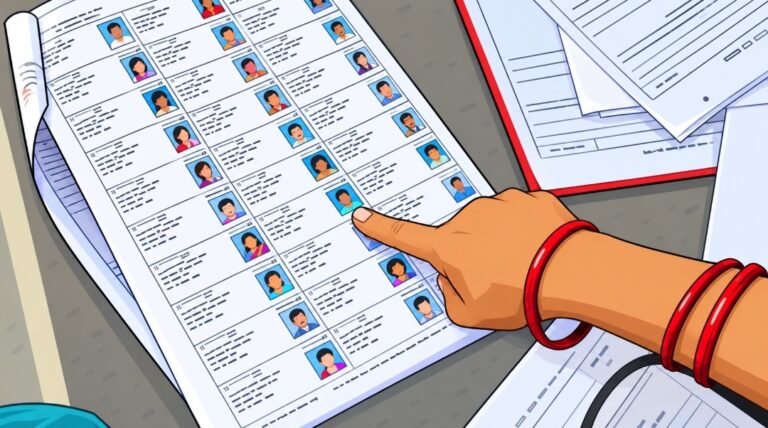
The last AMUSU elections took place in 2018-19. Every student who joined after 2019 has passed through AMU without voting for a representative.
Others have protested before. In August 2025, a law postgraduate began a hunger strike at Bab-e-Syed with the same demand, and protesters say elections were promised by December 2025. That promise lapsed. The agitation returned in early 2026 and again now.
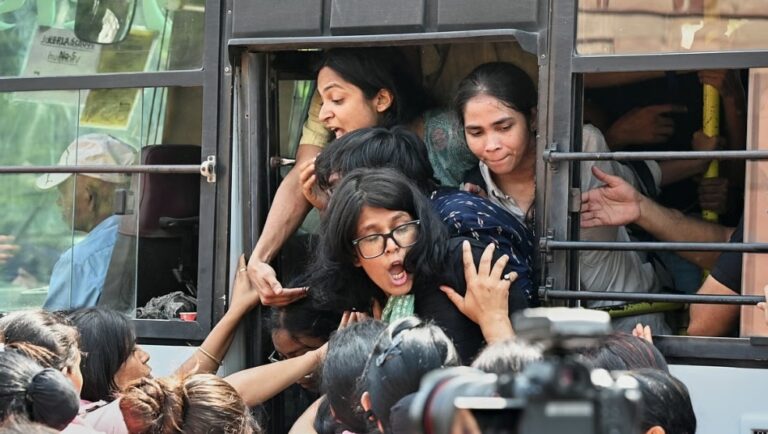
The demands have stayed modest. They ask the administration to appoint a Chief Election Commissioner, publish a schedule, and revoke Yasir Fahad’s suspension, which he calls retaliatory. Protesters have held a torchlight march, shut the Maulana Azad Library and staged a dharna led by women students. The administration has announced no date.
When exit is not an option
Hirschman’s key insight was that voice carries the most weight where exit is hard. Nobody would need a union to switch brands of soap.
Think of a boy from a qasba in Bihar who is the first in his family to attend university, a girl from Mewat whose family let her study away only because it was AMU, or a Kashmiri student seeking a campus where his name will not mark him as a suspect. “Just go elsewhere” could never be a real choice for them.
High loyalty and limited exit would make voice indispensable. Deny it, and people will be left with resignation or desperate escalation. Without an elected union or recognised representatives at the table, a student may end up using the only instrument left to him, his own body. That is institutional failure.
Autonomy as a democratic claim
That failure carries a further cost for a minority institution, which can hardly afford to silence its students.
AMU’s defenders, myself included, have long argued for its minority character. In November 2024, a seven-judge bench of the Supreme Court overruled the 1967 Azeez Basha judgment, reopening the path to recognising that status. Article 30 of the Constitution grants minorities the right to establish and administer their own institutions. Self-governance has always formed the core of that claim.
But self-governance, as a democratic principle, cannot stop at the Vice-Chancellor’s office. An institution that seeks respect from the state while denying participation to its own students will undercut its strongest argument. It will hand critics a ready line, that minority autonomy amounts to unaccountable administration.
Ambedkar warned that constitutional morality must be cultivated, since it will not arise on its own. Campuses may be where that begins, as students learn to campaign, lose gracefully and hold leaders to account. AMU’s union, rooted in the debating culture of Sir Syed’s college, has been exactly such a nursery and a training ground for figures like Dr Zakir Husain. A community anxious about its political representation should be the last to dismantle the one nursery it controls.
The case for caution, and why it falls short
The administration may well have reasons for caution, since AMU has often been caught in a hostile national spotlight and student politics can turn rowdy and factional. It has never publicly explained the seven-year delay or Yasir Fahad’s suspension, and those explanations are owed.
Mess in student politics can be answered with regulation. The Lyngdoh Committee guidelines, endorsed by the Supreme Court in 2006, already set eligibility rules, spending caps and timelines. JNU, Delhi University and Hyderabad Central University have held contested elections under them regularly and survived.
Hirschman also warned that suppressing voice will leave discontent in place while closing the channel through which it could be settled. Three agitations in just over a year have already shown what deferred conflict may look like when it comes due.
What an old student asks
I cannot lecture my alma mater as an outsider, because AMU gave me a language for public argument, much of it learnt at union debates and in hostel corridors.
The administration should appoint a Chief Election Commissioner, publish a schedule under the Lyngdoh guidelines, review Yasir Fahad’s suspension transparently, and talk to the students at Duck Point before his health becomes a tragedy no one can undo.
Fellow alumni should recognise a dispute far from minor. Duck Point is asking the oldest question in political theory: who speaks for whom. For an institution built on a community’s right to govern itself, the only honest answer would be that its students must be allowed to speak for themselves.
Give them back their voice. With nowhere else to go, the students have shown by staying, how deeply they love the place.