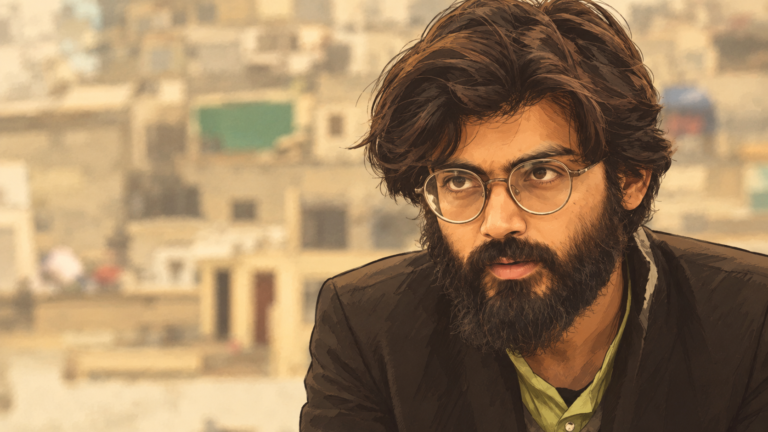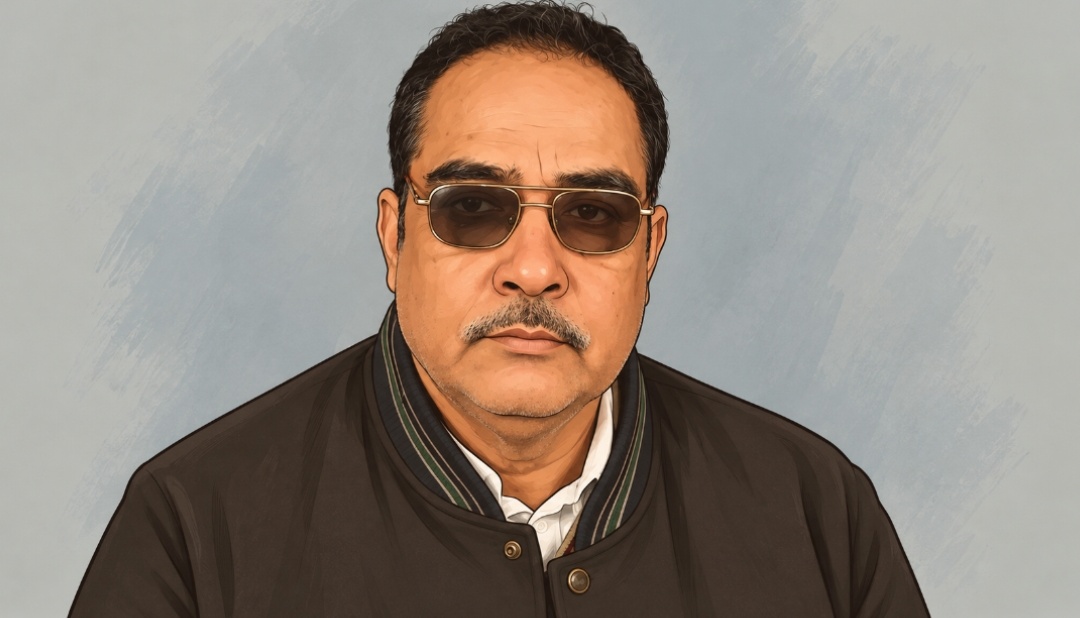
Parvez Parwaz, the former journalist and activist who spent more than a decade trying to get Uttar Pradesh Chief Minister Yogi Adityanath prosecuted over a 2007 speech, died in Gorakhpur District Jail early on Sunday, October 11, at the age of 72. He had been in custody since September 2018, serving a life sentence in a gang-rape case in which he maintained his innocence.
Jail officials said Parwaz suffered from high blood pressure and diabetes, developed breathing difficulties late on Saturday night and was taken to the district hospital, where he died in the early hours. Jail superintendent V.K. Pandey confirmed the death.
The speech and the FIR
On 27 January 2007, Parwaz recorded Adityanath, then the BJP’s Gorakhpur MP, addressing a gathering near the city’s railway station, amid tension after a clash during a Muharram procession. Violence followed in Gorakhpur and surrounding districts. According to the FIR, which was registered only after Parwaz petitioned the Allahabad High Court in September 2008, Adityanath allegedly gave a speech calling for violent retaliation, and shops, homes and warehouses belonging to Muslims were looted and burned afterwards. Local police had initially refused to register the case.
Parvez Parwaz’s decade of legal setbacks
In May 2017, two months after Adityanath became Chief Minister, the Crime Branch-CID filed a closure report, and the state government denied the sanction needed to prosecute him, with investigators arguing that the video CD was tampered with. The High Court upheld the refusal of sanction, and the Supreme Court dismissed the appeals in August 2022. A Gorakhpur court rejected Parwaz’s protest petition in October 2022.
On 22 February 2023, Justice Dinesh Kumar Singh of the Allahabad High Court dismissed his further petition and imposed costs of Rs 1 lakh. The order called him a “busybody” and accepted the possibility that he had been “set up” by forces opposed to the Chief Minister, questioning how he financed his legal battle.
The case that put him in jail
In 2018, months after the High Court upheld the government’s refusal of sanction, a woman alleged that Parwaz and another man, a local ascetic known as Jumman Baba, had gang-raped her. Parwaz was arrested in September 2018. Before his arrest, he said he had been implicated because of his connection to Jumman, amid a dispute over the management of a dargah. A Gorakhpur sessions court convicted both men in July 2020 and sentenced them to life imprisonment.
The Allahabad High Court granted Parwaz bail in May 2023 and suspended the sentence, but he remained in jail because of other cases. Hearings on his appeal against the conviction were repeatedly deferred, and no verdict on it has been reported. In 2024, a Gorakhpur court sentenced him to seven years under the Indian Penal Code’s forgery provisions, finding that the CD he submitted as evidence against Adityanath and other BJP leaders had been tampered with. The complaint was filed by BJP leader Y.D. Singh, one of the original co-accused Parwaz had named.
His friends and associates have long said the cases were a political vendetta, a claim the state has not responded to in the reports reviewed. The courts convicted him.
A prisoner called “the Ghost”
French documentary filmmaker Valentin Hénault, who spent about a month in Gorakhpur District Jail in 2023 after his arrest following an Ambedkar People’s March for Dalit land rights, where he was accused of visa violations, said he shared a cell with a prisoner the others called “the Ghost“. In an Instagram video posted on 24 September, Hénault said the man spoke little and was in poor health, and that he later learned it was Parvez Parwaz. Hénault had earlier said Parwaz was steadily losing his eyesight, and that he struggled to eat and walk.
Demand for an inquiry
Mohammad Shoaib, president of the rights group Rihai Manch, called the death suspicious and said an independent agency should inquire into it. Shoaib’s statement didn’t present concrete evidence of foul play. Jail officials attribute the death to his illnesses.
Karvaan India has not seen whether an inquiry has been ordered. Deaths in custody are generally subject to a magisterial inquiry and must be reported to the National Human Rights Commission under its guidelines.
An appeal that never ended
Parwaz was convicted, and the courts upheld the denial of sanction to prosecute Adityanath. He told the world he was innocent of the first offence, and his friends and colleagues say the cases were a political vendetta. The state has not responded to that claim in the reports reviewed. What can be said without dispute is this: the gang-rape case was lodged months after the High Court upheld the government’s refusal of sanction, his appeal against the conviction was never decided, and he died in a cell at 72 with the question unanswered.
A death in custody can’t be left to the explanation of the same system that held him. The inquiry that Rihai Manch has asked for should be ordered, and its findings made public.