The intersection of prolonged missile interception, online classrooms, aviation suspensions, decelerating property values and a capital-preservation mindset among foreign investors presents a tangible near-term obstacle for Saudi Arabia’s ambitious expansion plans. If geopolitical tensions flare into a wider conflict, it will test the true limits of the Kingdom’s economic resilience.
The Escalation of Houthi Attacks
According to statements monitored by the Saudi Press Agency (SPA) and reports from Al Arabiya English, Yemen’s Iran-backed Houthi rebels have significantly intensified hostilities against the Kingdom. Recent operations saw the Saudi-led coalition intercepting hostile drones and ballistic missiles targeted at the Riyadh, Eastern, Medina and Mecca regions. Disruptions from earlier missile and drone strikes on vital logistical nodes, such as King Khalid International Airport, prompted temporary shutdowns and flight cancellations.
In response to immediate local security risks, the Ministry of Education quickly transitioned schools in impacted zones to online learning via the national electronic platforms to protect student safety. Military forces continue carrying out retaliatory airstrikes on Houthi strongholds inside Yemen as well.
Mecca pact: Joint defence agreement
During the recent Council of Ministers session chaired by Crown Prince Mohammed bin Salman, official statements laid out the Kingdom’s official operational priorities. The Cabinet officially discussed high-level talks held between the member states of the Makkah Joint Defense Agreement (Saudi Arabia, Turkey and Pakistan) and senior officials from Iran. The Kingdom explicitly reaffirmed its reliance on mediation tracks spearheaded by Qatar and Pakistan to defuse a broader war. The Makkah Pact establishes that an attack on one member is an attack on all, Arab News notes that both Islamabad and Ankara have explicitly framed their commitments around securing Saudi sovereign territory and Islamic holy sites rather than engaging in forward offensive operations.
International flight cancellation
Escalating regional security concerns and cross-border tensions have triggered widespread international flight cancellations between India, other global hubs and Saudi Arabia. Citing airspace safety risks, major Indian carriers including Air India, Air India Express and IndiGo have extended the suspension of their commercial services to Saudi cities like Riyadh, Dammam and Jeddah through early November 2026. These precautionary suspensions reflect broader global aviation trends, as European, Asian and Western airlines increasingly re-route flight paths away from regional flashpoints to avoid volatile airspace. Singapore and other global hubs have implemented long-term flight cancellations due to escalating geopolitical tensions in the Middle East. Reflecting the critical security environment, Singapore Airlines issued an urgent advisory extending its cancellations to Dubai until February 28, 2027. European carriers have taken similarly drastic measures and paused its flights to Riyadh and Dammam until November 27, 2026, while its Dubai route is suspended until March 27, 2027. Air France has suspended services to Riyadh until December 12, 2026 and Lufthansa has extended its Dubai flight suspensions until November 25, 2026. Nearer to the Gulf, regional connectivity has also faced disruptions, with Etihad Airways canceling its operations between Abu Dhabi and major Saudi cities (Riyadh, Jeddah and Dammam) through November 5, 2026. These coordinated delays emphasize the broad international push to keep commercial aviation entirely clear of fluid regional airspace risks.
Impact on Vision 2030 Projects
The official local press, including Okaz and Saudi Gazette, emphasizes that despite these cross-border provocations threatening diversification targets, Saudi Arabia’s flagship Vision 2030 giga-projects remain resilient. State media recognizes that sustained conflict increases regional insurance rates and poses logistical headwinds for materials procurement. To counter this, the government is leaning heavily into its economic safe-havens, deploying its sovereign wealth funds to guarantee that transformation milestones proceed uninterrupted.
Expat Real Estate Investment Realities
The Saudi Arabian property market has entered a highly distinct rebalancing phase marked by quarterly price corrections and declining transaction volumes. Ongoing regional instability, regulatory shifts and high interest rates have caused a segment of domestic and international investors to pause, re-evaluate their portfolios and withhold aggressive capital deployment.
Official reports and data paint a clear picture of how this cooling period is manifesting across the Kingdom. Data from the Saudi General Authority for Statistics (GASTAT) and the Ministry of Justice shows specific sectors under pressure, leading to a 1.2% quarter-on-quarter drop in the overall Real Estate Price Index.
Fallout of a Potential US-Iran War
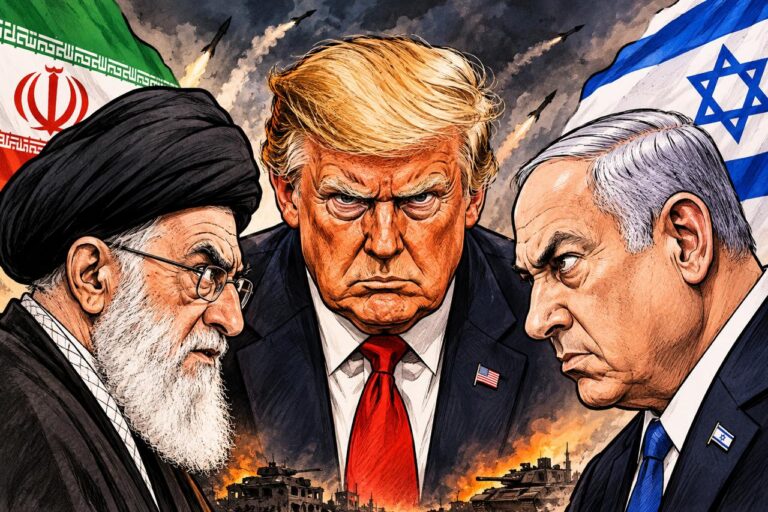
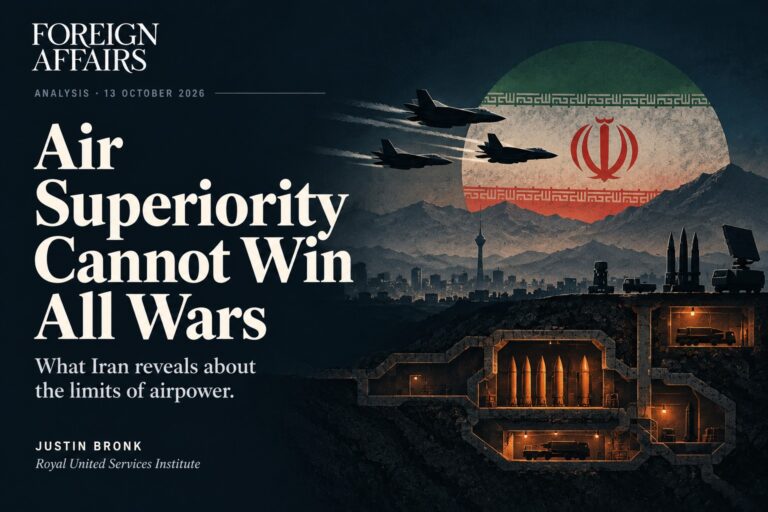
Regional analysis by Al Arabiya English outlines that if the current US-Israel-Iran hostilities spiral into a full-scale US-Iran war, Saudi Arabia will face severe economic and security challenges. Recent Iranian military threats, such as the explosive targeting of oil tankers in the Strait of Hormuz, signal extreme volatility for global energy corridors.
Between vision and vigilence
The intersection of prolonged aviation suspensions, decelerating property values and a capital-preservation mindset among foreign investors presents a tangible near-term obstacle for Saudi Arabia’s ambitious expansion plans. While the government remains highly committed to shielding its multi-billion-dollar Vision 2030 giga-projects, the broader reality reveals a market actively cooling under the weight of regional instability. If geopolitical tensions flare into a wider conflict, the compounding friction of disrupted labor corridors, skyrocketing maritime logistics costs and localized security risks will test the true limits of the Kingdom’s economic resilience.