As of October 31, the U.S. military has shifted aerial refueling tankers away from Qatar’s Al Ubeid Air Base to more distant operating bases. This is the latest sign that a US attack is on the horizon.
There are signs that American and Israeli militaries are preparing for potential strikes. Recent reports indicate that the US and Israel have drawn up plans and conducted military preparations for a possible short, intensive round of strikes on Iranian nuclear sites, energy infrastructure and missiledrone arsenals after the November 3, 2026 midterms, including US warnings to Gulf states, deployment of Phased Array Tracking Radar to Intercept on Target (PATRIOT) batteries, troop relocations from vulnerable bases, naval reinforcements with additional carriers and destroyers, munitions restocking and joint exercises. Intrinsically,Washington is preparing for a potential military confrontation while keeping diplomatic channels open.
The US has reinforced air defences and increased ammunition stockpiles across the region, while relocating some troops away from bases vulnerable to potential Iranian retaliation. Ten US military cargo planes landed at Israel’s Ovda and Nevatim air bases in the Negev on Thursday, Israeli public broadcaster Kan reported.
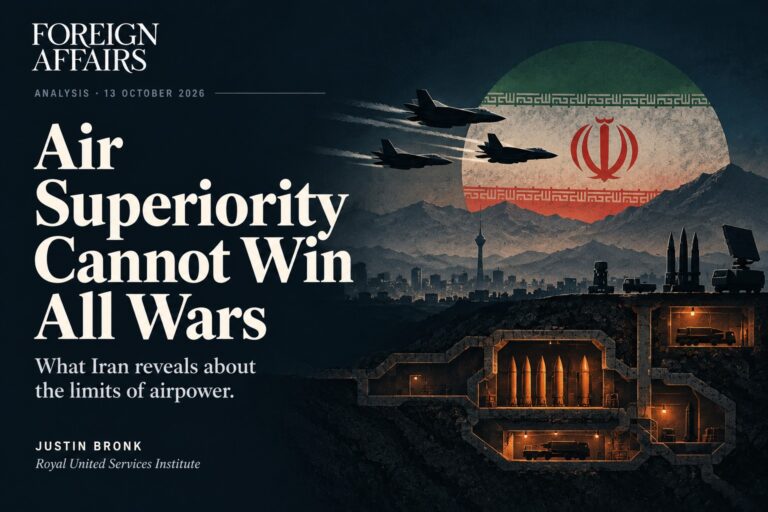
Israel has updated targets and flown power-projection sorties near Iran’s border. Iran has strengthened air defenses, rebuilt missile stockpiles, fortified nuclear facilities and shifted toward a more offensive doctrine as well as threatening broader retaliation against US bases, regional energy sites and neighboring countries if attacked. No final decision to resume major combat has been announced and diplomacy continues.
Qatari mediators efforts for US-Iran deal
Qatari mediators returned to Tehran on Friday as part of ongoing efforts to broker an agreement between the US and Iran, an official familiar with the discussions told Reuters. The official added that the mediation efforts were being coordinated with Washington.
Qatar submitted a draft peace proposal to Iran on Sunday, according to an official briefed on the negotiations. However, a senior Iranian official rejected the proposals as unacceptable, reiterating that Tehran would not compromise on its nuclear position.
The US wants nuclear issues to be addressed from the outset of negotiations, while Iran insists that Washington must first lift its blockade on Iranian ports and ease sanctions on its oil exports.
Iranian Foreign Minister Abbas Araqchi said on Wednesday that Tehran remained in close contact with mediators to assess proposals that could facilitate the implementation of its own seven-day initiative to end the war in the Middle East. US President Donald Trump said on Thursday that Vice President JD Vance’s outreach to Iran was focused on medical supplies, following media reports suggesting that the contact was linked to efforts to revive peace negotiations.
The “Insane”war Strategy
“Some of us have been briefed on the war plan. I cannot disclose any details, I can say that the plan is insane. It will not achieve objectives and will set off a new cycle of escalation”, said US Senator Chris Murphy.
Political opposition to Trump
According to congressional voting records and recent legislative actions regarding the ongoing conflict, 50% of the U.S. Senate has formally voted to oppose or restrict President Donald Trump’s war powers regarding Iran.
About two-thirds of Americans oppose the war, while many in Great Neck support it and some believe Trump has not gone far enough toward regime change.
Control over Strait of Hormuz
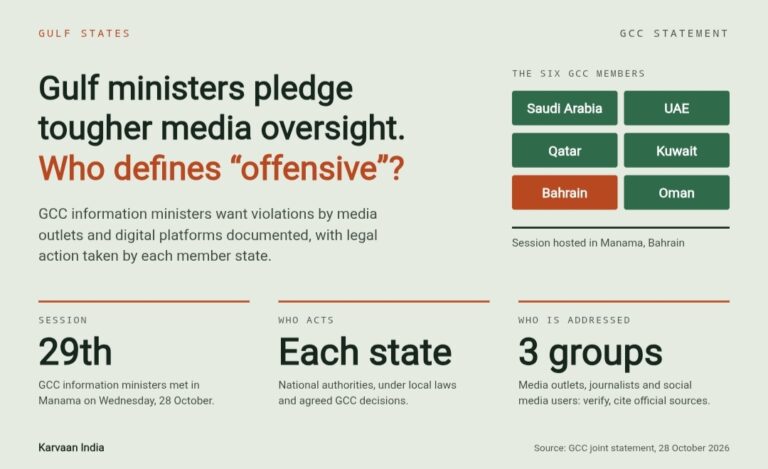
According to the guidelines of international law, the shipping lanes of territorial waters have the global right of transit passage. But the reality on the water is that the IRGC Navy physically dominates the Northern coastline. Since the inception of the conflict, Iran has deployed sea mines, fast attack craft and intercepted vessels to affirm its sovereignty. To counter it, U.S. has deployed underwater drones to clear mines and has opened widened route near Oman challenging Iran’s stranglehold to ensure the global oil trade. On one side, Iran wants strict regulatory and tactical control over the checkpoint, on the other side, the United States and the international community do not seek a single nation’s dominance over the waterway, rather, they want the U.S. military or an international coalition to secure the passage to prevent Iran from using the global economy as geopolitical leverage.
Economic Impact of war on India
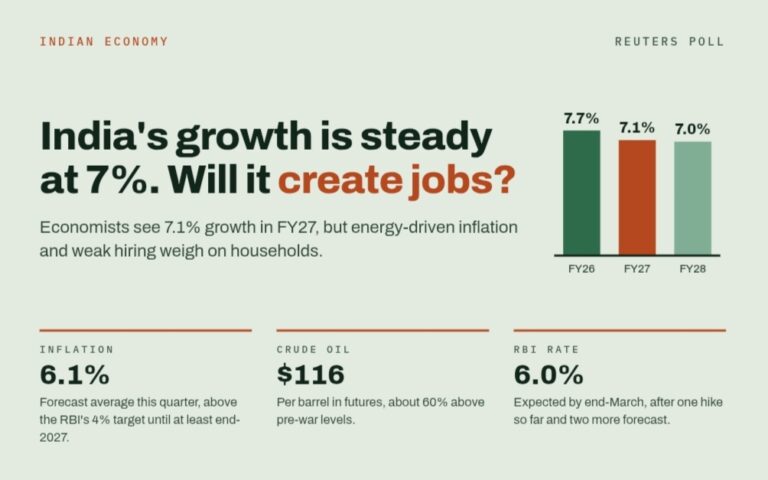
Professor S. Mahendra Dev (Chairman of the Economic Advisory Council to the Prime Minister) notes that a short conflict can be absorbed, but a prolonged war will force India into severe shortages across four primary sectors such as fuel, imports, logistics and remittances.India imports over 80% of its crude oil and relies heavily on the Persian Gulf, a protracted blockade will spike domestic fuel and fertilizer costs, driving up consumer inflation and squeezing agricultural yields. The resulting surge in the national oil import cost will weaken the Indian Rupee against the US Dollar and rapidly widen the current account deficit, while a sharp decline in remittances from expatriates in the Gulf will directly hit household consumption and high-migration states like Kerala.
Is this the start of the war?
US forces in the Middle East are well prepared to launch major strikes against Iran within 96 hours of receiving an order from President Donald Trump. The world has witnessed that wars begin with a series of decisions that leave no space for retreat. Is the US-Iran confrontation approaching that point?