Young adults from Southeast Asia and South Asia looking for job opportunities are targeted by digital recruitment channels, ends up being trapped under ongoing conflict zones under false pretenses. Families of young adults are speaking out as their loved ones are vanishing into foreign militaries.
From lucrative job to war front
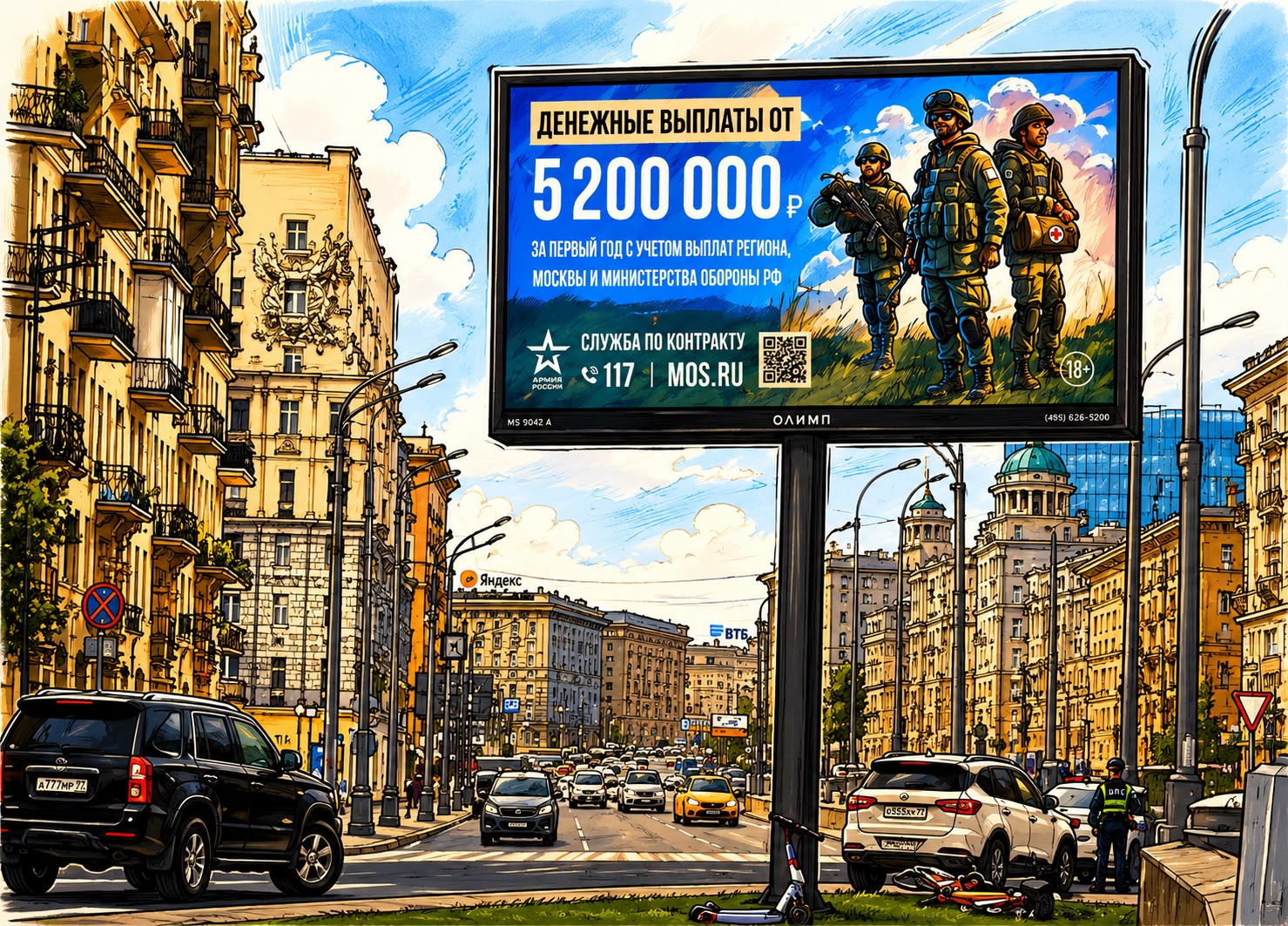
Amnesty International also confirmed in a report on Thursday that Russia is illegally trafficking foreigners to fight in Ukraine, citing interviews with prisoners of war whom it said had been deceived into signing Russian military contracts. Among the victims were citizens of India, Bangladesh, Nepal, Indonesia, the Philippines, Srilanka, Taiwan, Vietnam, Japan, Malaysia, South Korea, Thailand, and Myanmar who were lured by the promise of a high-paying job and are now forced to sacrifice their lives to serve on the front lines.
The European External Action Service (EEAS) investigated and uncovered a network of advertising and intermediary recruitment websites aiming at recruiting foreign nationals. The average targeted recruit age is under 40, mostly living in a poorer country and lured by the “promise of a job”, Amnesty’s secretary-general said. Once they arrive, their passports are taken, and contracts are handovered in language they can’t understand and shipped straight to the warfront.
“The suffering linked… to the internationalisation of the war is affecting highly vulnerable communities and individuals around the world,” Secretary-General of Amnesty, Agnes Callamard told AFP in an interview coinciding with the publication of the report.
Ukraine claimed in April that more than 28,000 foreign nationals from 136 countries were fighting in the Russian army. Though Ukraine also uses foreign fighters, Amnesty says it cannot conduct inquiries among those held in Russia because the group is marked with the status of a “foreign agent” in the country. “Obviously, there are many individuals who work for the Russian state who know that the people they recruit to go to the front line are victims of trafficking,” Callamard said. “They are complicit in this phenomenon, and they should be held accountable,” she said.
The Human Cost of Conflict
Modus operandi of recruiters to exploit foreigners is online job advertisement, often with the promise of false civillian work, said Amnesty. “Then it’s coercion. Their passports are taken away. They are made to sign documents they don’t understand. They are given training they don’t understand” and used as “cannon fodder”, Callamard said.
In one example, a truck driver from South Africa was given task to fly to Moscow for a driving job and had “everything” confiscated from him upon arrival, Amnesty’s report said. Foreigners living in Russia have also been targeted by recruiters without legal status, promising them residency or a passport as a reward for enlisting, Amnesty said.
During a supervised visit to a Ukrainian detention centre in February, similar testimonies from foreign prisoners who had fought for Russia were also collected by AFP. Many reported that they were made to sign contract which they could not understand, they were kept poorly equipped and couldn’t communicate due to language barriers to the officials there.
The crime of human trafficking, as defined by the United Nations, involves the illegal recruitment, transportation or harbouring of people through fraud, deception or abuse of power.
Callamard said the crime was characterised by the “transfer of persons”, the use of “coercive means, false promises and violence”, as well as a “situation of exploitation”. She called on Ukraine and the leaders of other countries whose citizens were trafficked to provide evidence of this “human trafficking” to prosecute those responsible.
While it was acknowledged by Amnesty Ukraine would likely not prioritise those investigations, she advised investing in them. It “would also demonstrate that Ukraine has very different values and an approach from those of Russia”, she said.